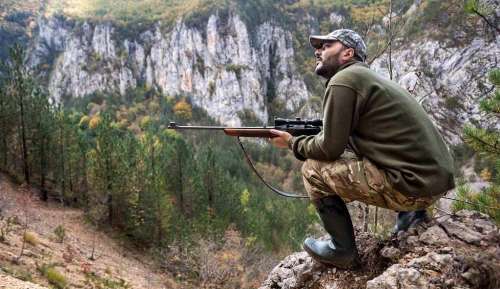

If you are looking for the warmest hunting boots to keep your feet dry and warm in cold weather, look no further.
The Kalkal 800g insulated hunting boots prove themselves to be a great option for cold-weather hunting. Field-tested in wet, muddy, and cold conditions, they are exceptionally warm, waterproof, and rugged enough for both wet hunts and heavy outdoor work.
They’re not the lightest option, but still keep you comfortable during long hunts.
Understanding Insulation For Warm Hunting Boots
Speaking of the warmth of hunting boots, insulation is a critical aspect. Common insulation materials include Thinsulate, PrimaLoft, Neoprene, and synthetic fibers. These materials trap and retain body heat while providing lightweight and breathable properties.
Different hunting boots use different levels of insulation materials. When considering insulation materials, it’s essential to know the specific temperature range and weather conditions you’ll encounter in your hunting areas.
Also, insulation ratings, typically measured in grams (g), matter a lot. It determines the level of warmth provided by hunting boots.
- Light Insulation (200-400g): A pair of 400g insulated boots is suitable for milder cold weather conditions, typically ranging from around 40°F (4°C) to 60°F (15°C).
- Midweight Insulation (400-800g): Midweight insulation is designed for colder conditions from approximately 20°F (-6°C) to 40°F (4°C). Boots with this insulation rating offer increased warmth and are suitable for hunting in colder temperatures or during late-season hunts.
- Heavy Insulation (1000g+): Boots with heavy insulation are built for extreme cold weather conditions such as -20°F (-29°C) or even lower. They offer maximum warmth and are recommended for hunting in frigid temperatures or in regions with severe winter weather.
How to Choose the Warmest Boots For Winter?
When choosing good insulated hunting boots to keep feet warm during long hunts, insulation is not the only important feature to consider.
You should consider various factors in order to find a pair that meets your specific needs and enables you to perform best during winter hunting.
Insulation
The most important factor to consider when selecting hunting boots is insulation. If you are planning to take a long hunting trip in cold weather, look for boots that are designed with thick insulation to keep your feet warm.
Choose the right insulation rating based on your personal cold tolerance as well as the climate of your hunting location.
Breathability
While insulation is important for warmth, proper breathability is also necessary to avoid excessive sweating and moisture buildup inside the boots.
Look for boots made of breathable materials or with moisture-wicking technologies that allow sweat to escape, keeping your feet dry and comfy all day.
Waterproofing
Look for hunting boots that are made of waterproof materials, such as rubber and leather. These material constructions block water from entering your boots and keep your feet dry and comfortable in wet or snowy conditions.
Boot Height
The shaft height of your hunting boots also affects the level of warmth. Higher boots can cover your whole calf and keep heat inside the boots. Meanwhile, hunting boots with high shafts provide better ankle support and scraping protection.
Good Traction
No matter what terrain you are trekking in, it is best to choose a pair of hunting boots with excellent traction. This can ensure stability and help prevent slips and falls on wet and icy ground.
Take a Look at Kalkal Insulated Hunting Boots
Let’s first see what some advantageous features the Kalkal hunting boots have:
- Insulation: 800gcold-resistant insulation
- Flexible Neoprene: 7 mm neoprene body + fleece lining
- Waterproofing: 100% rubber construction
- Comfort temperature range: -55°F to 40°F(-48°C to 4°C)
- Midsole: Wave-contoured EVA for cushioning/shock absorption
- Outsole: Aggressive rubber tread for wet/rough traction
- Fit features: Pure neoprene collar + rear adjustable buckle strap
- Uses: Hunting (waterfowl), fishing, yard/woods work, camping
What Stood Out In The Field?
Warmth That Actually Matters
The properties of 800g insulation, 7 mm neoprene, and fleece lining are a perfect combination for boots to trap heat and keep your feet warm.
We all have suffered from frozen feet when hunting in late seasons. You need footwear that lets you focus on the hunt rather than numb toes. For cold-water or marsh hunts where temps dip low, this level of insulation is a major advantage.
If you hunt ducks or sit in a frozen blind all morning, this is the difference between staying focused and wanting to leave early. You can still wear a thin wool liner plus thick socks for extra warmth.
Waterproofing and Seal
During hunting, you never know what kind of terrain you might come across; thus, waterproof boots are essential for keeping your feet dry and comfortable, allowing you to focus on your hunt without worrying about the elements.
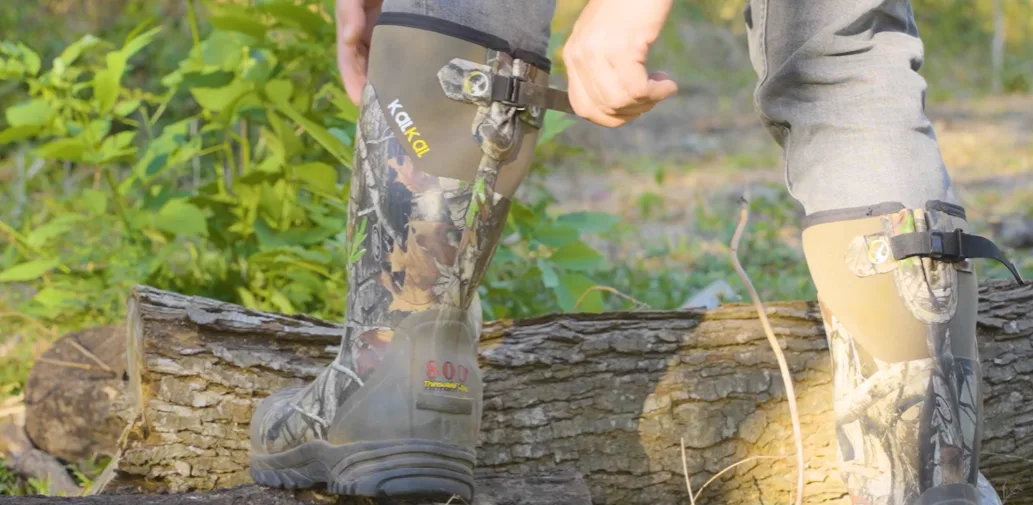
Boots that are made of rubber material create a dependable waterproof barrier. Besides, they have a rear calf strap to adjust the neoprene collar snugly against your calf, helping trap heat and keep splash, mud, and wood chips out.
You can step into a flooded field or slog through marshgrass with peace of mind. The whole boot is one sealed piece and great for wading in shallow water during duck season.
Durability
After repeated use in mud, clay, and brush work, the rubber and tread hold up. The outer rubber stays flexible and showed no early breakdown. Simply rinse the boots after use and dry them away from heat and they’ll last a long time.
Comfort & Support
The wave-contoured EVA midsole provides real comfort and cushioning on long walks to a blind or when chopping and stacking wood all day. Not running-shoe soft, but way better than flat rubber boots.
The boots run true to size, but you might feel a bit stiff around the ankle part if you have wide feet and high instep. In this case, choosing a large size allows a more comfortable fit, and you can wear thick socks in colder weather.
Expect a heavier overall feel than light hikers, but a clear gain in thermal comfort.
Kalkal Hunting Boots Performance By Scenario
Choosing the right footwear can make all the difference for your outdoor activities. The new Kalkal hunting boots have been designed with a variety of scenarios in mind, no matter the conditions.
Here’s a detailed look at how these boots perform in different situations.
Waterfowl Hunts
They are excellent for duck hunting. Due to their insulation, waterproofing, and calf-high protection features, these boots are ideal for wet and cold wading.
With the right footwear, you can confidently navigate through shallow waters and marshy hides. The rugged sole provides excellent traction on slippery surfaces, so your every step is steady.
Cold-season Outdoor Work
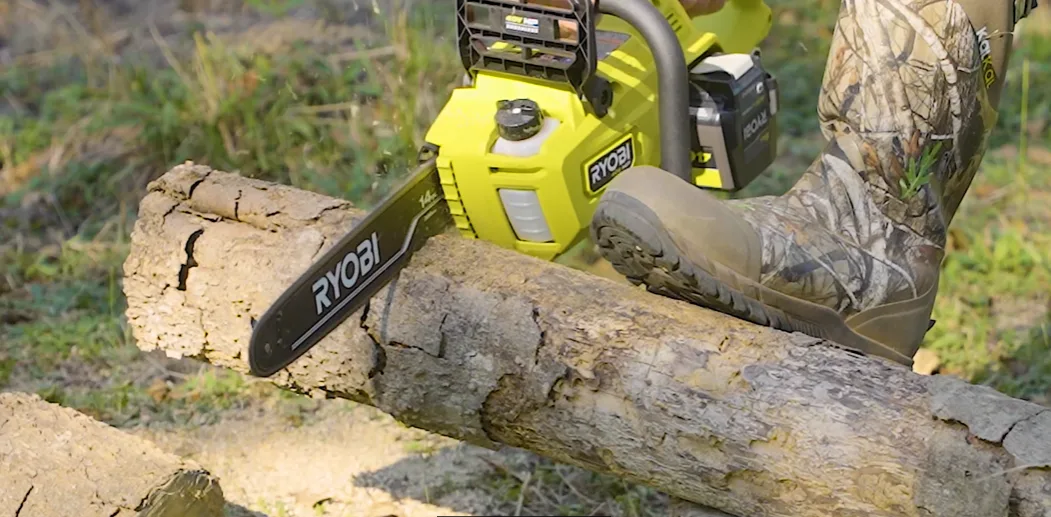
They also work very well as a rugged work boot, designed to block out mud, debris, and provide necessary support during demanding tasks.
The insulation keeps your feet warm, while the durable exterior resists wear and tear, ensuring you’re equipped to tackle any job, regardless of the weather conditions.
Long Glass-and-Stalk Hunts
While these boots perform well in many scenarios, they may not be the ideal choice for long glass-and-stalk hunts. The heavier insulation can hinder breathability and cause discomfort during high-movement activities in warm weather.
For those who prefer lightweight options, we recommend considering a different boot designed specifically for high-energy pursuits. You may try another Kalkal hunting boot without the Thinsulate property.
Hiking on Mixed Terrain
You might think that high rubber boots are not for trekking and hiking. However, after testing, these boots can provide adequate support on mixed terrain. You can wear them for short outings.
If your hike involves diverse landscapes and longer distances, you might want to invest in a light and technical boot in such conditions.
Fit & Sizing
The neoprene opening fits like a snug, form-fitting collar with some internal room for thicker socks. To fit most customers, the boot has an adjustable buckle at the rear part to fit different calf sizes.
Kalkal has its own sizing standards, and you’d better to measure your feet before buying, rather than choosing based on the size of your usual shoes. If planning to wear bulky liners or very thick socks, consider sizing half a size up.
Pros & Cons of Kalkal 800g Insulated Hunting Boots
Now that we already know the boots are a great option for hunters. However, it also has some drawbacks.
Pros
- Outstanding cold-weather insulation (800 g + 7 mm neoprene + fleece).
- Truly waterproof construction for deep wading and wet conditions.
- Adjustable rear strap locks out splash and debris.
- Comfortable cushioning and shock absorption for long wear.
- Durable and built to handle regular wet-field use.
Cons
- Heavier and bulkier than non-insulated hunting boots.
- Not suitable for warm-weather hunts.
- Not aimed at lightweight trail performance.
- A bit stiff around the ankle.
Final Verdict
For wet, cold-field work and waterfowl-focused hunts, the Kalkal 800g insulated boots are an excellent choice.
It is field-tested and proven to keep feet warm and dry while withstanding muddy, abrasive conditions. They are designed for hunters and outdoor workers who need reliable thermal protection and a waterproof seal.
If cold, wet conditions are a regular part of the season in your location, these rubber boots are worth serious consideration. If your hunts are warm, long-distance, or focus on speed, a lighter boot will be a better fit.