

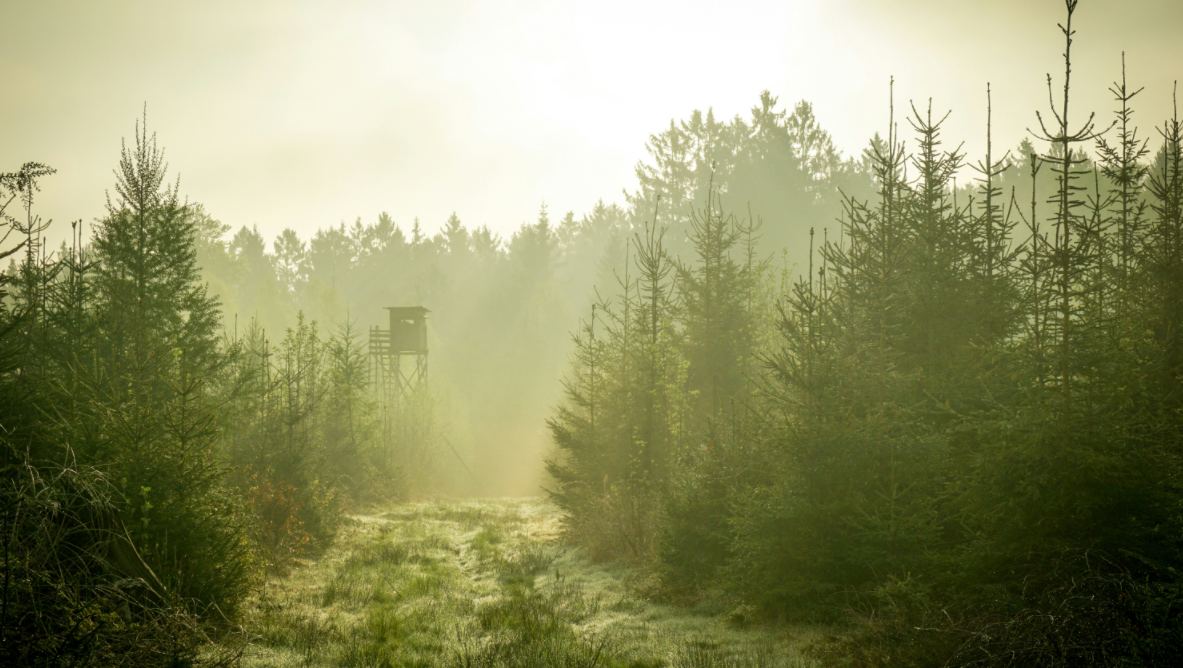
Idaho is one of the best public land hunting states in the country. From steep elk country in the central mountains to open mule deer and pronghorn country in the south, the state offers a wide range of hunting opportunities for both residents and non-residents.
It has plenty of public land, so you won’t have to know anyone to find great hunting. Take a forest road, hike a mile or two, and you’re likely in elk, deer, bear, wolf, turkey, or waterfowl habitat depending upon what time of year it is.
Here is a detailed manual on the Idaho hunting seasons and rules, licenses and tags, and places to go. Mark your calendar now.
What’s New for 2026:
- Nonresident deer and elk tags now go through a draw, not first come, first served. If you need to exchange a general season deer or elk tag, do it by July 31.
- Idaho also added tech limits for big game hunting, so thermal optics, night vision, transmitting trail cameras on government land, and drones are off-limits during the season.
- In some CWD areas (Units 14, 18, 23, 63A, 64, 69, and part of Unit 1 ), deer you harvest must be tested within 10 days. And if you hunt black bear, you still need proof that you passed the bear ID test.
- To be eligible for a lifetime license certificate, individuals must now be Idaho residents for at least five consecutive years.
2026 Idaho Hunting Season Dates and Zones
Idaho has different dates for its hunting seasons each year, which are established based upon biological information about species, overall herd health and population, the number of animals harvested in previous years’ seasons, and the impact of seasonal weather patterns and public comments.
Additionally, many hunting season opening days are determined by the weekend, as opposed to being established on the actual date.
As such, it is likely that while a deer hunting season opened on October 10th of last year, this year it will likely be on October 9th.
That is, do not make assumptions about seasons or availability. Prior to purchasing your license, verify current regulations!
Deer Hunting Seasons
Archery deer generally run from late August until the end of December. Short-range deer season is generally in October, but it opens earlier in August in certain units.
Muzzleloader seasons vary and are usually scheduled as a controlled hunt type after the main season.
Hunters are limited to one deer only. A legal deer is a deer with at least one antler longer than 3 inches. Make sure you don’t mistakenly take any other deer that do not meet this standard.
| Species | Season Type | Date Range |
|---|---|---|
| Regular Deer | Any Weapon Seasons | September 15 – October 31, 2026 |
| Archery Only Seasons | August 30 – December 24, 2026 | |
| Muzzleloader Only Seasons | November 10 – December 1, 2026 | |
| Short Range Weapon Seasons | August 30 – November 24, 2026 |
| Species | Season Type | Date Range |
|---|---|---|
| White-tailed | Any Weapon Seasons | September 15 – December 9, 2026 |
| Archery Only Seasons | August 30 – December 24, 2026 | |
| Muzzleloader Only Seasons | November 10 – December 14, 2026 | |
| Short Range Weapon Seasons | October 10 – December 31, 2026 |
*Deer seasons vary across hunting units and by method of take. Check the detailed information in this file: Idaho Big Game Hunting Digest.
Idaho has designated Game Management Units based on geographic location (zone), which determines what license you can purchase.
There are General License Units available for anyone to purchase Over-the-Counter (OTC); also Controlled Hunt Units that require an application and drawing.
Whitetail deer tend to be found in areas of heavy timber such as the northern Panhandle and Clearwater regions.
Areas in Central and Southern Idaho have more open, broken lands where mule deer can be found.
One of the most accessible and most hunted areas is Unit 39, which is located outside of Boise. The Clearwater and Salmon Regions are popular for Public Land Hunters who are seeking both Access and Opportunity.
Before selecting an area, always check last year’s success rate on a unit using data provided by IDFG.
Spring and Fall Turkey Seasons
Idaho spring turkey season begins roughly mid-April to early May. A short youth-only season is held before that.
The fall turkey seasons open in late August and extend to sometime in December, depending on the zone and the hunting style.
2026 turkey hunting season dates have been changed in some of the units. Make sure to check the details of the specific zone you plan to hunt.
| Hunt Type | Species | Season Dates |
|---|---|---|
| Spring Turkey Youth Only | Male or Bearded Turkey | April 8 – April 14, 2026 April 8 – May 25, 2026 |
| Spring Turkey | Male or Bearded Turkey | April 15 – April 30, 2026 April 15 – May 25, 2026 |
| Spring Controlled Hunts Youth Only | Male or Bearded Turkey | April 8 – May 25, 2026 |
| Spring Controlled Hunts | Male or Bearded Turkey | April 15 – May 25, 2026 April 15 – April 30, 2026 May 1 – May 25, 2026 |
| Hunt Type | Species | Season Dates |
|---|---|---|
| Fall Turkey | Either Sex Turkey | August 30 – January 31, 2027 November 1 – December 1, 2026 August 30 – December 31, 2026 August 30 – October 9, 2026 August 30 – October 9, 2026 |
| Fall Controlled Hunts Youth Only | Either Sex Turkey | August 30 – October 9, 2026 September 15 – December 31, 2026 |
| Fall Controlled Hunts | Either Sex Turkey | October 10 – December 31, 2026 August 30 – December 31, 2026 September 15 – October 9, 2026 October 31 – December 31, 2026 |
*Daily limit of two male turkeys for spring seasons; while in the fall season, you can hunt as many turkeys as the number of valid tags you have.
There are good places to hunt turkey all over the Panhandle, Clearwater, and Salmon River regions. Northern Idaho is stronger than other parts of the state. But hands-down, spring is the best time because toms are gobbling, mating, and stupid.
Typically the first two weeks of May (depending on weather) are the top times statewide.
What’s more, here are some of the rules to follow:
- You cannot use a lead shot larger than a BB or a steel shot larger than T-size.
- No dogs are allowed, except for Fall season hunts.
- You cannot use a trap, snare, net, firearm, electronic calls, or any baits for turkey hunts.
- You cannot hunt from a boat.
- For controlled hunt seasons, hunters need to apply for a Controlled Hunt Tag. The spring season application starts from Feb. 1 to March 1. The fall season starts from May 1 to June 5.
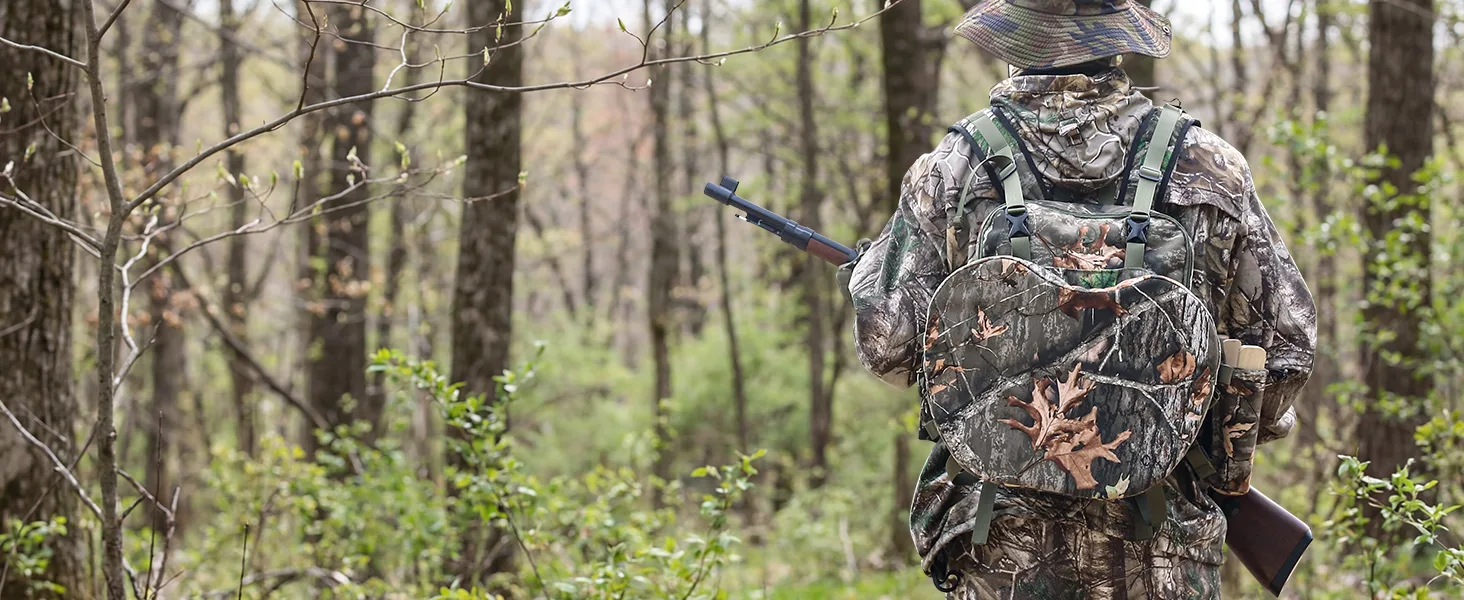
Kalkal turkey hunting vest with seat in-field test
Upland Game Seasons
For those interested in upland game hunting, Idaho offers seasons for various species, including quail, chukar and gray partridge, grouse, and pheasants.
In 2026, certain upland game seasons open earlier and last longer than last year, typically begin in mid-September and continuing until the end of January next year.
Upland game bird hunting is generally open from the last week of August to early January. The season length varies by the specific species being hunted.
Check the season schedules as follows:
| Species | Areas | Season Dates | Daily Bag Limit | Possession Limit |
|---|---|---|---|---|
| California and Bobwhite Quail | Statewide | September 15, 2026 – January 31, 2027 | 10 | 30 |
| Chukar and Gray Partridge | Statewide | September 15, 2026 – January 31, 2027 | 8 | 24 |
| Sharp-Tailed Grouse | Area 1 | October 1 – November 8, 2026 | 2 | 6 |
| Forest Grouse | Area 1 | August 30, 2026 – January 31, 2027 | 4 | 12 |
| Forest Grouse | Area 2 | August 30 – December 31, 2026 | 4 | 12 |
| Pheasants | Statewide – Resident | October 15 – December 31, 2026 | 3 roosters | 9 roosters |
| Pheasants | Statewide – Nonresident | October 20 – December 31, 2026 | 3 roosters | 9 roosters |
| Pheasants | Youth Hunt Season (Both Resident and Nonresident) | October 8 – October 14, 2026 | / | / |
Idaho Small Game and Furbearer Seasons
Most of the small game season schedules stay the same every year. Nothing changes.
- Cottontail and Snowshoe Hares: August 30, 2026 -March 31, 2027
- Red Squirrel: August 30, 2026 -March 31, 2027
- Badger: July 1 – June 30, 2027
- Beaver: October 15 – April 15, 2027
- Bobcat: December 14 – February 16, 2027
- Fox: October 10 – March 31, 2027(Panhandle/Clearwater Region);Year-round(Rest Region);
- Marten: November 1 – January 31, 2027
- Mink: October 15 – April 15, 2027
- Muskrat: October 15 – April 15, 2027
- Otter: October 15 – March 31, 2027
There are specific restrictions that need to be followed when hunting small game, such as restrictions on shooting times, types of ammunition, and the use of accessories.
While hunting small game, you cannot:
- Hunt from one-half hour after sunset to one-half hour before.
- Use a trap, snare, net, or shotgun using shotgun shells exceeding 3 1/2 inches in length.
- Use any electronic calls.
Idaho General Hunting Regulations To Know
Many out-of-state hunters fall into a couple of traps each year with respect to several simple rules.
If you are going to purchase tags as a non-resident, keep track of the Idaho limit for both deer and elk non-resident tags.
These limits are capped and are sold on a first-come, first-served basis beginning on December 1st for the upcoming season.
In many popular units, all of the available permits are gone within one hour of their sale opening.
Regardless of whether you are resident or non-resident, prior to buying a tag, you will also need to buy an Idaho hunting license.
Your Idaho hunting license does not allow you to hunt big game, as you need a separate tag for each big game animal: deer, elk, bear, mountain lion, wolf, pronghorn, moose, sheep, goat, and turkey. Some of those species are classified as either general or controlled.
Prior to buying a license, anyone born on or after January 1, 1975 must take a hunter safety class. Hunter safety certification is recognized nationally; therefore, if you completed a course in Oregon or Wyoming, your completion certificate is good here in Idaho.
If you have never completed hunter education and you want to start hunting now, Idaho provides hunter education courses both in person and online.
There are additional Idaho regulations regarding the operation of motor vehicles, closure of public roads, and crossfire shooting.
Many forest service roads are closed seasonally to motorized use, and much of the quality hunting is done in those closed areas that require hiking in.
Tagging and mandatory check-in and reporting requirements apply to wolves, mountain lions, bears, and some controlled hunts. Hunters must report the harvested animals within a reasonable time frame after tagging them.
In Idaho, carrying a rifle openly is allowed; however, concealed handgun carry laws apply if you choose to pack a handgun off-body.
Also, the shooting hours for big game vary by species; generally, the hours begin thirty minutes before sunrise and end thirty minutes after sunset.
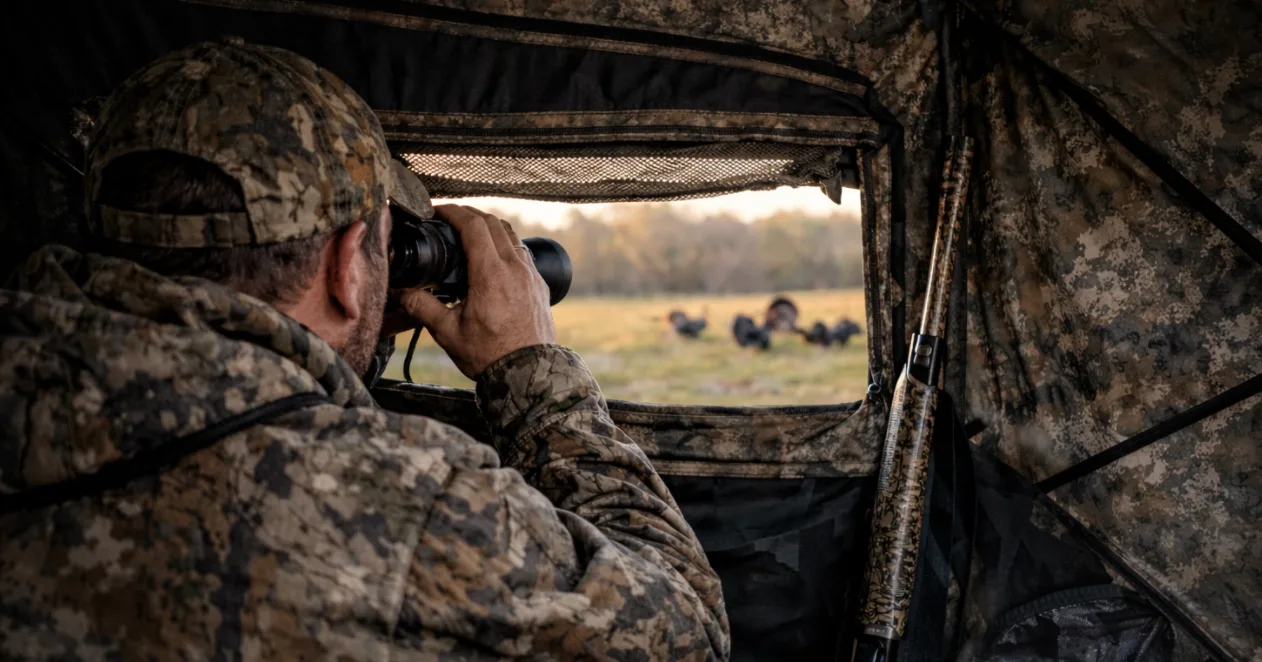
How to Get an Idaho Hunting License and Tag?
Go to idfg.idaho.gov, set up an account, buy your license, and then buy your tag. You can do the whole thing online in about fifteen minutes if you have your hunter education info handy.
You can also walk into any license vendor in Idaho (most sporting goods stores, plus IDFG offices) and do it in person.
Hunting License Options
Residents can buy their basic adult hunting license for about fifteen dollars.
The state of Idaho has also made it possible to purchase a combo hunt/fish license. Three-year licenses and reduced rates are available for senior hunters (65+), disabled veteran hunters, and junior hunters (17 & younger).
Non-resident hunters will be able to buy their basic adult hunting license for approximately $185.00. If you only hunt specific game, you can choose to buy a “small game only” license, which would cost less money.
Special Draw Permits
Idaho offers “draw” hunts; they refer to these as “controlled hunts.”
Most controlled hunts have an application deadline that starts May 1 through June 5. The process for applying is quite simple.
First, you will choose one (first) and two (second) choice hunts. Then, you’ll pay the application fee. After you submit your choices, all you can do is sit back and wait for the drawing results that are typically announced in late June or early July.
The difficulty of obtaining a controlled hunt permit varies greatly. For example, some units will draw a nonresident hunter about 50% of the time, while others may only draw hunters at rates less than 2%, and especially for high-premium hunts, such as a trophy mule deer in southern Idaho or a sheep tag anywhere in Idaho.
Idaho does NOT use a “preference-point” system when determining who gets permits. Therefore, each year is a new “drawing,” or essentially a random chance of receiving a permit.
Many people find this aspect of hunting in Idaho either very exciting or frustrating based on their individual perspectives.
Do not worry if you missed the original application deadline. Idaho conducts a secondary drawing in mid-July for unclaimed and unused tags.
Additionally, Idaho has plenty of OTC (over-the-counter), General Season hunts available. Hunters can still create a fantastic hunting experience even without drawing a Controlled Tag.
Licenses and Permits Fees
The licenses have varying costs based on whether the person is a resident or nonresident. Here is how much it costs to hunt in Idaho:
Resident License Costs:
| Sportsman’s Package (Adult or Youth) | $124.25 |
| Combination (Hunting & Fishing) | $33.50 |
| Disabled Combination | $5.00 |
| Military Furlough Combination | $17.50 |
| Hunting | $12.75 |
| Junior Combination (Hunting & Fishing) | $17.50 |
| Junior Hunting (10-17) | $7.25 |
| Senior Combination (Hunting & Fishing) | $11.75 |
| Archery or Muzzleloader Permit | $18.25 |
| Upland Game Bird Permit | $23.75 |
| Migratory Bird Permit | $1.75 |
| Deer Tag | $19.75 |
| Bear | $11.50 |
| Turkey | $19.75 |
| Second Turkey | $12.25 |
Nonresident License Costs:
| Combination (Hunting & Fishing) | $264.00 |
| Hunting | $185 |
| Small Game Hunting | $141.75 |
| Three-Day Small Game Hunting | $71.75 |
| Archery or Muzzleloader Permit | $81.75 |
| Upland Game Bird Permit | $56.75 |
| Deer Tag | $351.75 |
| Bear Tag | $231.75 |
| Turkey Tag | $88 |
Who Doesn’t Need a License?
There are some exemptions to these regulations.
If you are the landowner or have permission from the owner of the land on which you will be hunting (for the purpose of removing wildlife that is damaging your crops), you might not require a license to do so.
Young people who are 9 years old or younger and are being accompanied by an adult who has a valid Idaho Hunting License may also not require a hunting license so long as they are not carrying a firearm.
Military personnel serving active duty and stationed in Idaho may qualify for resident status.
Lastly, there are a couple of “free” hunting days per year during which all licenses are waived for new hunters.
▶Read also: Can You Hunt On Your Own Land Without A License?
When to Plan Your Idaho Hunting Trip?
In northern Idaho, the whitetail rut is normal during the first two weeks of November. The mule deer rut is a little later, and it’s normal for mule deer to be in full rut from mid-November through early December.
For 2026, the whitetail peak rut will likely occur between November 7 to 14. For mule deer in southern and central Idaho, the peak rut period is expected to be November 18 through Nov. 28.
Planning your hunt during the peak rutting season will give you a better chance of harvest.
The early season in September can be hot and dry. The late season from late October into December is very different. Expect snow, cold, wet, and wind.
In the high country, you can hit a foot of fresh snow overnight in early November. This is when you bring serious insulated boots, layered systems with merino wool or synthetic base layers, an insulated outer layer, waterproof gloves, and a beanie. A spare pair of dry socks in your pack has saved more than one hunt for us.
For spring, the period from the beginning through the middle of May is a good time frame for turkey hunting. At this time of year, many toms are still actively seeking females (hens) who have begun nesting and leaving them to become irritable and despondent while the weather is generally favorable.
For winter hunt, if your hunting time for deer in Idaho is only a week long, the second week of November would be an ideal time, as it is usually at the peak of the whitetail breeding season in the northern part of the state.
There should also be better-than-average weather conditions before the harshness of winter.
Late to mid-November is also considered to be a good time to hunt ducks. This is because by that time, most northern duck species will have migrated into the area.
The freezing of water in various locations may help concentrate ducks onto areas with unfrozen water, and the hunting pressure is much reduced.
4 Best Places to Hunt In Idaho
Four areas worth knowing about, each with different terrain and a different feel.
The Clearwater Region (North Central Idaho)
If you’re coming to Idaho looking for classic whitetail country, the Clearwater Region should be high on your list.
The first thing you’ll notice is just how thick everything is. This is very rugged, heavily wooded terrain made up of large stands of mature cedar trees, thick vegetation, and creek bottom areas.
Most of the time, you’ll be picking your way through the timber and looking for opportunities at close range.
The area is best known for whitetails, but you’ll also find elk and black bears scattered throughout the region.
One thing many first-time hunters underestimate is how wet this country can be. Morning dew alone can soak your pants before lunch, especially if you’re moving through creek bottoms and thick brush. Waterproof hunting boots and gaiters aren’t optional here; they’re part of the uniform.
If you enjoy still-hunting through dark timber and don’t mind earning every deer sighting, you’ll probably love the Clearwater.
The Salmon-Challis National Forest (East Central Idaho)
The terrain has a little bit of everything, including mountains, alpine lakes and streams, flat sagebrush plains, and valley bottoms. The area provides habitat for mule deer, elk, and pronghorns.
The biggest advantage here is room. If you’re willing to hike beyond the first few ridges, you can often leave a lot of hunting pressure behind. That’s one reason backcountry elk hunters keep coming back year after year.
Just remember that the same terrain that makes the hunting great can also humble you quickly. Distances are bigger than they look on a map, and elevation can turn an easy-looking hike into a long day.
The Owyhee Front (Southwest Idaho)
The Owyhee Front is a completely different world from northern Idaho’s timber.
The terrain is very arid desert. Sagebrush and junipers grow in this desert landscape. The topography is rugged, as the landscape is composed of many steep canyons and little water.
Desert wildlife such as Mule Deer, Pronghorns, Chukars, and Quails make their home within this environment.
Out here, you’ll spend more time behind binoculars than walking through the woods. This is the kind of place where finding animals isn’t always the hard part. Getting to them can be.
The steep canyons can look manageable from a distance, but once you’re climbing in and out of them, you’ll understand why hunters talk about the Owyhees with equal parts respect and frustration.
If mule deer or pronghorn are on your bucket list, this region deserves serious consideration. Chukar hunters also know these canyons can provide some outstanding bird hunting, along with plenty of sore legs.
The Panhandle (Northern Idaho)
The Panhandle has very large areas of heavy timber combined with numerous lakes, large cedar swamps, and much private timberland where access is available for public hunting.
It doesn’t have the wide-open views that many people associate with Western hunting, but that’s exactly why so many whitetail hunters love it.
You’ll spend more time hunting travel corridors, logging roads, timber cuts, and thick bedding cover, paying attention to fresh sign, and being ready for a quick shot when a buck suddenly appears in the timber.
One thing that makes the Panhandle unique is the amount of private timberland mixed in with public ground.
Many timber companies allow public hunting access under specific rules, which can open up a lot more country than first-time hunters expect. Just make sure you check current access regulations before heading out.
While whitetails are the main draw, the region also supports healthy black bear populations and offers some of Idaho’s better opportunities for hunters lucky enough to draw a moose tag.
Conclusion
Choose your week, get your tag pulled early (if you’re a non-resident), and always check the latest information on IDFG about current rules before leaving for your trip.
In Idaho, there are miles and miles of open public lands, large wild animal populations, and a hunt that is a true hunt…all are well worth the effort of planning!
Share with us your hunting story and get a chance to test Kalkal hunting boots and accessories.
Season timing can change across borders, so always compare local rules with neighboring states:
4 comments
Stephen
Is there a hunting season set aside for the handicap(dear elk). Stephen Peter’s
LynnAuthor
There are no separate hunting seasons. Handicapped hunters can participate in the general deer season like everyone else as long as with a valid disable license. They can use motorized vehicles to hunt big game in designated areas from August 30 to December 31.
Karen
what if the person can’t drive due to disabilities and has to be driven places? Can they still get a license though they have no handicap license?
LynnAuthor
Hi Karen, to get a disabled hunting license, you need to provide one of the following:
1. a Social Security benefit verification letter;
2. a letter from the Railroad Retirement board, or proof of a service-connected disability from the Department of Defense or Veterans Affairs;
4. a certification of permanent disability signed by a qualified medical professional;
5. a valid Idaho driver’s license marked as disabled.
If you cannot drive, you can still go hunting with a companion. The companion can assist a disabled hunter, there is some rules about this, though.
You may find more info here: https://idfg.idaho.gov/licenses/disabled/hunter-companion