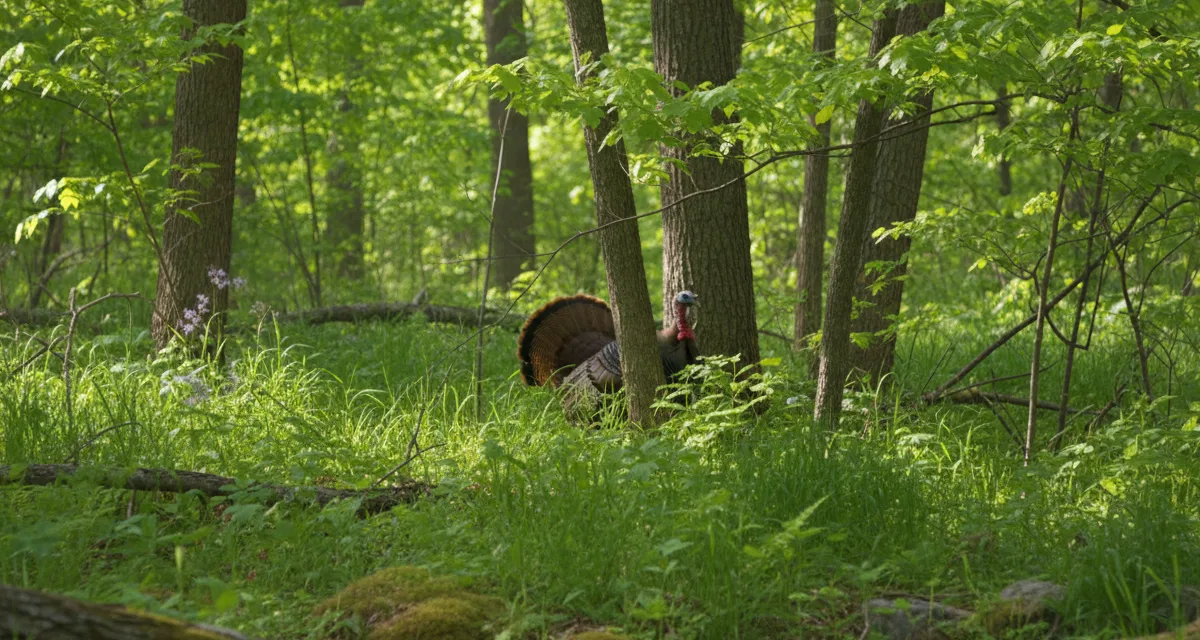
Spring turkey season starts with fired-up gobblers answering every call. By late season, everything changes. Birds have been called at, shot at, and chased through every patch of woods.
The tactics that worked in April fail when turkeys have heard it all before. Late season demands different strategies, a better understanding of bird behavior, and patience that most hunters struggle to maintain.
If you also face difficulty with pressured birds, read on to discover what actually works when hunting in late season.
The Biggest Late-Season Problems For Hunters
Late-season hunting presents frustrations that simply do not exist during opening week. Here are the biggest problems you may face.
1. Birds Stop Responding To Calls
Gobblers that hammered back at every yelp in April now refuse to make a sound. They have been called repeatedly and learned that those sounds often mean danger.
Hens have moved into nesting mode, so toms are less interested in calls because real hens come to them instead.
2. Thick Cover Makes Birds Invisible
Full foliage changes the game completely. You cannot spot turkeys the way you could in bare woods during early season.
Birds disappear into thick vegetation while still being able to see and hear hunters approaching. Warm weather pushes their activity into midday hours when most hunters have already quit.
3. Old Tactics Stop Working
The biggest mistake is running the same playbook that worked in April.
Aggressive calling only educates birds further. If you repeatedly use predictable setups in the same fields and ridges, turkeys will quickly recognize and avoid them.
A gobbler that would have sprinted to a hen call in early season now hangs up at 80 yards or simply walks away.
4. Turkey Behaviors Shift
Pressured birds change how they respond to everything.
They gobble less frequently or stop gobbling altogether except for occasional tree calls at dawn. They avoid open areas during prime hunting hours, and they even circle downwind to check setups before committing.
These behavioral shifts require hunters to completely rethink their approach rather than simply trying harder with tactics that no longer work.
How Foliage And Warm Weather Change Bird Behavior?
Thick leaves create both obstacles and opportunities for late-season hunters. Dense vegetation makes it harder to see turkeys at a distance, but it also provides better cover for hunters to move undetected.
A gobbler that would spot you at 100 yards in bare April woods might not see you at 40 yards when leaves are full.
The challenge is that visual confirmation becomes difficult. You cannot see birds moving through heavy cover the way you could in early season.
This means relying more on sound and reading signs. Fresh scratching in leaf litter tells you birds are using an area even when you never lay eyes on them.
Where Turkeys Go When Temperatures Rise
Warm weather changes where turkeys spend their time.
In early cool mornings, you may still see some roosting activity, but as the sun climbs, birds usually head for shade. Places with tree cover, like the creek bottoms, become prime locations.
Open fields that were productive earlier in the season can go quiet fast during warm weather. Turkeys tend to seek specific microclimates that offer shade, cooler air, and an easy way to move without getting exposed.
Ridge tops may catch breezes that provide relief from heat, but shaded creek bottoms offer cool air and moisture that birds need.
Water sources also matter, especially on hot days. Small creeks, stock ponds, and wet weather springs all attract turkeys looking to drink.
They need to drink regularly when temperatures climb, and they prefer safe water sources with cover nearby rather than exposed stock tanks.
What You Should Watch For
Pay attention to prevailing wind direction because turkeys like spots where they can feel a breeze while staying in shade. If you find a small ridge point or the edge of a hollow that catches some air, that’s worth a setup.
Look for places that stay cool and quiet during the day. Old logging roads under tree cover are good examples. Birds use them to loaf, move around, and dust themselves without being out in the sun.
Dust bowls are one of the best signs you can find late in the season. If you see fresh dirt kicked out with feathers nearby, birds have been there recently.
That’s a high-percentage spot. Set up close, stay patient, and let the area work for you.
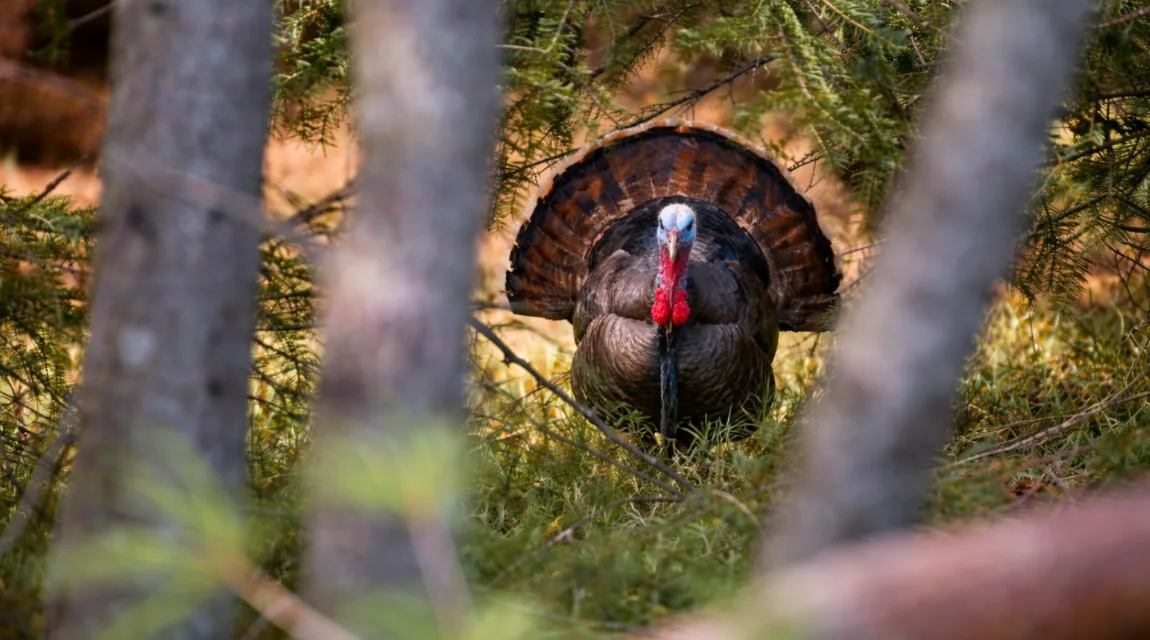
Where To Find Pressured Birds When They Stop Talking?
Tracking turkeys in the late season requires different skills than early-season scouting. Fresh signs become more important than gobbling because pressured birds stay silent.
Look for scratching in areas with deep leaf litter, particularly under oak trees, where birds search for leftover acorns and insects.
Early vs. Late Season Tracking
Turkey scouting in the early season relies heavily on gobbling. You locate birds by sound and pattern their movements based on vocal activity.
However, late season demands reading the landscape and interpreting signs because birds simply will not give away their locations by gobbling.
The places turkeys use also change. Early-season birds spend time in breeding areas and strut zones.
Late-season birds move to feeding and loafing areas that provide security. They avoid the same fields and ridges they used in April because those locations now represent danger.
Where Late-Season Birds Spend Their Time
Late-season birds prioritize security cover over visibility. They avoid fields and clearings where they feel exposed. Instead, look for them in mixed hardwoods with good understory.
Ridge points with multiple escape routes hold birds because they can see danger coming and have options for retreat.
Creek drainages with thick vegetation become havens for pressured turkeys. These areas provide food, water, and cover all in one location. Birds can spend entire days in creek bottoms without ever exposing themselves in open areas where hunters typically set up.
Transition zones between different habitat types concentrate turkey activity. The edge where mature timber meets regenerating clearcut creates travel corridors. Birds move along these edges rather than crossing through the middle of either habitat type.
How To Find Silent Birds
Late in the season, a lot of gobblers just stop talking because they learn that gobbling attracts hunters.
You might hear one on the roost at daylight, then nothing the rest of the day. But this doesn’t mean that birds are gone; you just need to hunt differently.
Instead of chasing gobbles, slow down and hunt good areas. Midday can actually be better this time of year, especially after other hunters leave. If you’re in the right spot, it pays to sit longer than you normally would.
Listen for soft sounds rather than loud calling. A contented flock feeding through the woods makes subtle noises that carry surprising distances in quiet conditions.
Wing beats can give them away when they fly down or shake off in the morning. Every now and then, you’ll catch a soft yelp or cluck from a hen moving through.
It’s easy to miss these sounds if you’re moving too much. Sit still, listen carefully, and let the woods tell you where the birds are.
Calling Strategy For Late Season Birds
Late-season birds refuse to respond because they have heard every call imaginable. Hens are nesting, which means gobblers know that responsive hens should come to them.
A tom that gobbles back to your calling might be interested, but he expects you to approach rather than him walking into your setup.
Why Birds Become Reluctant To Respond
Each time a gobbler responds to calling and finds a hunter instead of a hen, he learns. After multiple encounters, birds associate certain sounds with danger.
They hear a hen call and immediately become suspicious rather than excited. This learned behavior makes them nearly impossible to call in using traditional methods.
Gobblers also recognize that nesting hens are not wandering around calling aggressively. Real hens during the late season are quiet and focused on their nests.
Any hen making a lot of noise does not fit the natural pattern, which makes educated toms wary.
When To Call And When To Stop
The right time to call is less often than most hunters think.
One soft series of calls every 30 to 45 minutes gives birds time to respond and commit. Constant calling educates turkeys when they investigate the sound and find no hen present.
Stop calling entirely when you hear birds approaching. Many hunters keep calling as turkeys get closer, which creates problems when birds spot the setup without seeing another turkey.
Let them come in quietly once they commit to your location. Check out our successful harvest of How We Killed a Hung-up Gobbler.
Appropriate Sounds For Pressured Birds
The most effective sounds for late season are soft and subtle.
Quiet purrs mimic contented feeding. Soft clucks sound like a hen casually moving through the woods. Occasional lazy yelps give the impression of a hen going about her business without actively seeking a gobbler.
Leave the aggressive cutting and loud yelping to the early season when birds are more receptive. Late season demands finesse. A series of soft tree yelps at dawn can locate birds without alarming them
Follow up with minimal calling and let curiosity bring birds in rather than aggressive hen talk.
When To Avoid Calling Continuously
Some situations demand total silence. If you know a gobbler is headed your way, stop calling immediately.
Birds have an incredible memory for where they heard calls. When they arrive at that spot without seeing another turkey, they learn to avoid similar situations in the future.
Midday hunting often works better with zero calling. Birds moving through their home range during off-hours are simply traveling and feeding.
They may investigate a setup just because it looks like a good habitat rather than because they heard calling.
In areas with extreme pressure, silent setups are more advantageous. If every hunter in the county is running calls at birds, maintaining a quiet hunting style will allow you to stand out.
Good positioning often produces better results than calling in heavily hunted areas.
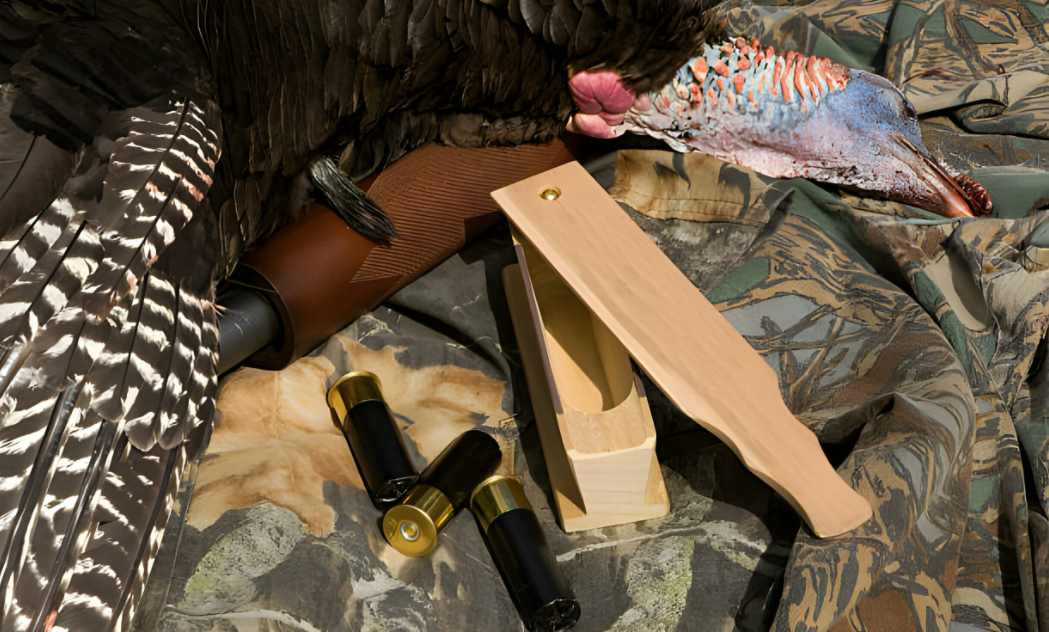
▶ Learn More: How to Use a Slate Call For Turkey Hunting Beginners
Decoy Use On Pressured Birds
The best decoy strategy for late season depends on hunting pressure and how birds have been conditioned.
A single hen decoy in a relaxed feeding posture works better than multiple decoys or aggressive breeding poses. Pressured birds become suspicious of spreads that look too perfect.
What To Use And Where To Place
Here is what decoy you need to use and where to place it:
- Use one decoy and place it in a visible area: Use one hen decoy rather than elaborate spreads. Place it where the decoy is visible but not obvious. A hen partially hidden by brush looks more natural than one standing in the wide open. This creates a realistic scenario that does not immediately trigger an alarm in educated birds.
- Positioning it 15-20 yards: Position decoys 15 to 20 yards from your setup rather than right on top of you. This gives birds space to approach without immediately spotting your position. It also creates a natural distance that mimics how real hens maintain personal space.
- Focus Natural Terrain: Natural terrain features dictate effective placement. Put a hen decoy on a slight rise where it creates a visible silhouette. Use shadows and background cover to make decoys blend into the landscape. A decoy standing on bare ground in full sun looks fake compared to one positioned in dappled shade near natural cover.
When To Skip Decoys Completely
- Avoid extreme pressure areas: Areas with extreme pressure often see better results without any decoys at all. Birds in these locations have been shot at over decoys repeatedly and have learned to avoid them. Trust your calling and concealment rather than relying on fake birds.
- Watch out for the reaction: Watch how turkeys react to your spread over multiple hunts. A gobbler that hangs up 60 yards away and paces back and forth has likely been fooled by decoys before. Birds that have been shot at over decoys often circle downwind or approach from angles that let them view the setup from a distance before committing.
- Pull the Decoy: If birds consistently refuse to come to your decoys, pull them entirely. Some hunters experience immediate success after going decoy-free because educated birds are suspicious of anything that looks like a setup. Not using decoys can actually make your spot look more natural to turkeys that have been pressured before.
How To Hunt Spooked Gobblers?
A spooked turkey needs time and space before it will respond to hunting pressure again.
The worst thing you can do is chase aggressively after bumping a bird. This only compounds the problem and makes him more educated for future encounters.
1. Give Birds Time To Settle
Do not pursue a spooked gobbler immediately. Give him at least 24 hours to settle down and forget about the encounter.
Pushing hard on a spooked turkey only makes him more wary and harder to hunt later. Some birds need several days to resume normal behavior patterns after being badly spooked.
The severity of the spook determines how long to wait. A bird that simply walked away after seeing something suspicious might settle down overnight.
However, a gobbler that flew off in alarm after nearly being shot may avoid that entire area for a week or more.
2. Change Your Approach Completely
Use a different location when returning to hunt the same bird. Approach from a new direction rather than using the same route.
Hunt during a different time of day than your previous encounter. Birds remember the setup that spooked them, so anything that resembles that encounter will put them on alert.
If you bumped a turkey in the morning, try hunting him in the afternoon later in the week. Different conditions and times of day reset his expectations. He associates danger with specific circumstances, so changing those variables makes him more approachable.
Another way is to vary your calling strategy entirely. If you were calling aggressively when you spooked him, try minimal calling or silence next time.
If you were running a jake decoy, switch to a single hen or no decoys at all. Make everything different so the bird does not recognize the pattern.
3. Switch To Another Bird
Stop chasing one specific gobbler. Plenty of hunters burn their entire late season focusing on a tom that has become nearly impossible to hunt. Find new birds in different areas rather than educating the same gobbler repeatedly.
The best turkey hunters know when to move on. If a bird has been spooked multiple times, it may not be killable this season.
Put your energy into fresh birds that have not been pressured as heavily. Your success rate will improve dramatically when you hunt turkeys that have not been educated by repeated encounters.
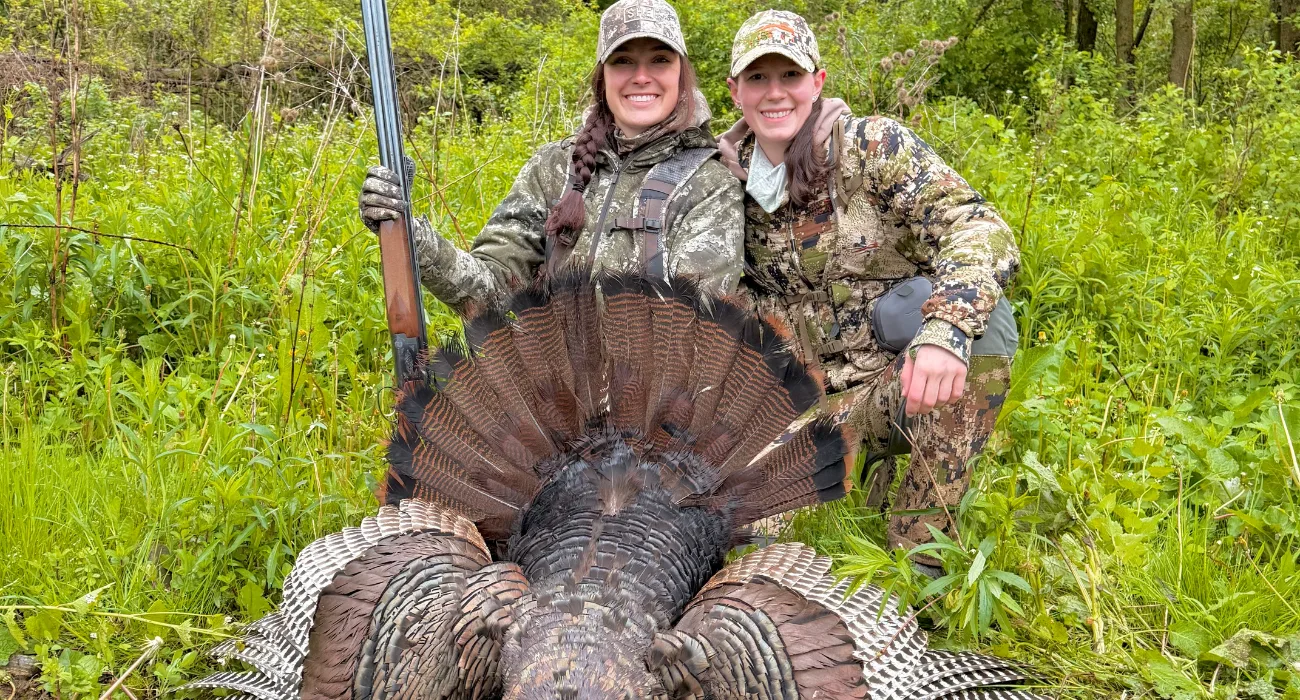
What To Do When You Only Have Limited Time?
If you only have a weekend or a couple of days, you cannot afford to spend days figuring birds out.
Forget trying to pattern birds. You should focus on quick methods that can produce successful results.
1. Fast Scouting And Move On
There is no need to scout for days; you just need to look for signs of life.
Drive roads at dawn and listen to gobbling. This covers large areas quickly and identifies active birds without spending hours walking.
Look for fresh signs in areas with good access:
- Droppings tell you birds used an area within the last 12 hours.
- Feathers indicate regular activity.
- Scratching in leaf litter shows feeding patterns.
These are all signs birds have been there, and they will use that area recently. That is enough to hunt.
When you’re moving light and covering ground, what you carry matters, actually. A Kalkal turkey vest helps you pack everything you need and organize them in an easy-access way.
2. Set Up Where Birds Naturally Travel
Instead of chasing birds, set up where they’re likely to pass through. Turkey won’t just wander randomly. They follow similar habitat areas, so you can look for these spots:
- Field Edges: funnel turkey movement between roosting and feeding areas.
- Creek Crossings: concentrate birds at predictable locations.
- Ridge Saddles: create natural pathways through larger blocks of timber.
A blind or natural setup in these travel corridors produces encounters based on turkey habits. You are not calling birds across the woods; instead, you are waiting where they already go.
3. Hunt Midday Hours
One of the biggest mistakes with limited time is hunting only the first couple of hours of the morning and then leaving.
In the late season, the early window can be hit or miss. The best time to hunt turkey is in the middle of the day when most hunters have quit. Turkeys often move and feed between 10 AM and 2 PM when pressure is lightest.
This strategy works especially well on public land, where dawn sees heavy competition for setup locations.
Late morning offers another advantage in warm weather. Birds have left the roost, finished their initial feeding, and are moving toward shade and water.
If you’re already set up in a good habitat, you’ve got a real chance of crossing paths with one.
4. Focus Your Efforts
When time is limited, simple usually beats complicated.
Hunt one or two proven spots rather than covering lots of ground. Birds using quality habitat will return to those areas regularly.
Don’t spend the whole day bouncing from spot to spot. Late-season birds are quiet, and it’s easy to walk right past them without ever knowing they were there.
Move carefully when you have to, set up clean, and then give it time. A lot of late-season birds won’t gobble. They’ll just show up slowly and quietly, looking for the hen they think they heard earlier.
When you don’t have much time, that’s really what it comes down to: put yourself in the right place, stay patient, and let the hunt come to you.
Conclusion
Late-season turkey hunting usually comes down to patience, timing, and knowing when to back off. Pressured birds do not respond the same way they did earlier in the season, so the key is to adjust with them instead of forcing the hunt.
Midday often gives you the best chance, especially when the woods warm up and hunting pressure starts to ease. Keep your calling soft and simple, set up in cover that gives birds a little comfort, and let the turkey make the next move.
In a lot of late-season spots, a quiet setup will beat loud calling every time.