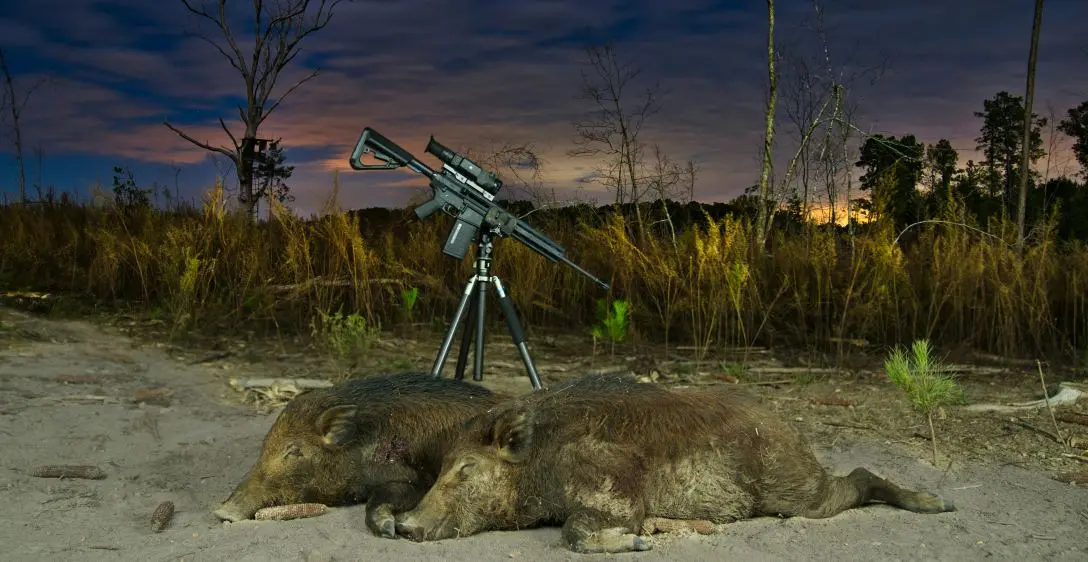
Hog hunting has become popular in the U.S. because the number of wild hogs is increasing, causing damage to farms and disrupting local ecosystems.
For many people, there’s some confusion among hunters about whether hog hunting is allowed year-round across the country.
Now, let’s look at the rules for hog hunting in different states, private and public land, and point out the best areas and gear for hog hunting.
Is Hog Hunting Year Round In the US?
Most American states enable year-round hog hunting on private properties because local authorities consider feral pigs an invasive species.
Even though feral hogs damage farming land and natural habitats, states observe few limitations on hunting these animals.
The law creates different restrictions depending on where people hunt, between areas owned by the state and those owned solely by private owners.
While hog hunting is prevalent in many states, not all states have a significant feral hog population.
States like Texas, Florida, Georgia, Oklahoma, and California are known for year-round hog hunting opportunities. In states where hogs are not as common, regulations might limit hunting opportunities.
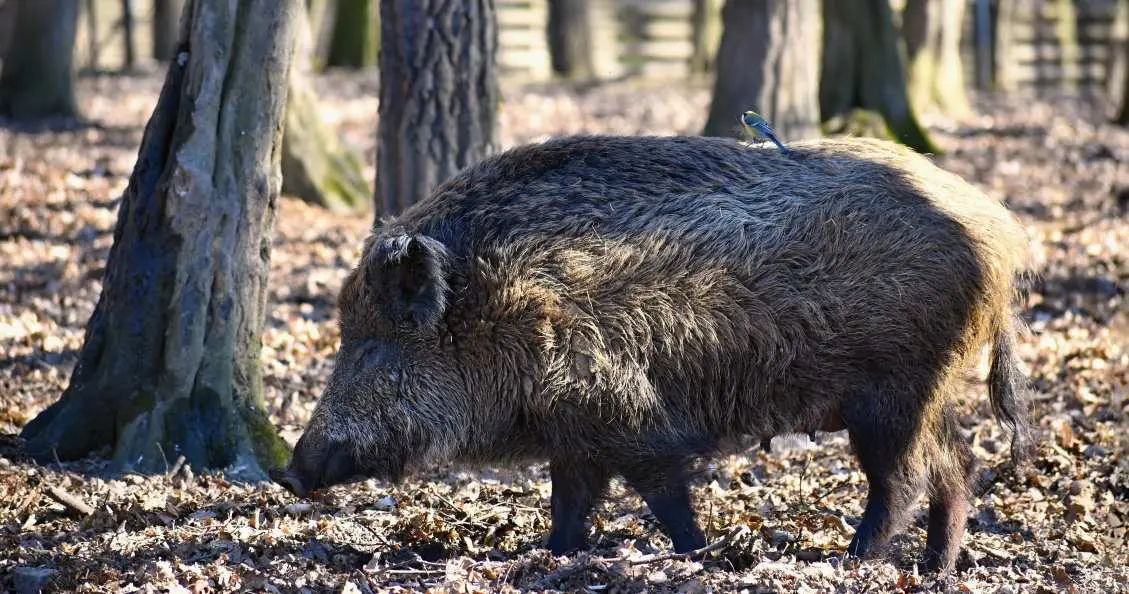
5 Top States to Hunt Hogs
Certain states stand out for their robust hog populations and favorable hunting regulations. Here are the top five states for hog hunting:
1. Texas
Texas holds 2.6 million feral hog individuals, which represent about 50% of all swine inhabiting the United States. Feral hogs exist in 253 of 254 counties across the USA, thus making them available to hunters throughout the country.
Texas provides hunters with special hunting opportunities which include helicopter hog hunting that effectively covers extensive hunting regions.
- Private Land: Feral hogs are unprotected, exotic, non-game animals and are considered to be private land. They can be taken by any means or method at any time of the year. There are no bag limits and no seasons. A hunting license is needed and permission from the landowner. With the right permits, helicopter hunting is allowed.
- Public Land: Hunting is regulated by the Texas Parks and Wildlife Department (TPWD). Other hunting seasons are set up and usually allow hog hunting, although they might require special permits. Some equipment or night hunting might be restricted. Before hunting on any public land, always verify the rules for the specific public land you are hunting on.
2. Florida
Under private land hunting regulations, Florida allows free hog pursuit for both unlicensed and unlimited hunters on private lands during all seasons. The practice of night hunting gives hunters the advantage of choosing optimal times for their endeavors.
The state of Florida offers extensive hunting opportunities in public areas. Each Wildlife Management Area has different regulations that usually include specific hog hunting dates alongside permit requirements.
- Private Land: Hog hunting is allowed seasonally without a license on Private Land. Dogs may be used, and the hunter may use any legal firearm or archery equipment. There are no size or bag limits and hunting at night with a gun and light is allowed with landowner consent. It is also allowed to trap those hogs, but to transport live hogs one needs a permit from the Florida Department of Agriculture and Consumer Services.
- Public Land: Hunting on Public Land is done according to the rules set out by the corresponding WMA. Typically, a permit covering the management area is required and hunting is allowed only during established seasons. Some WMAs require a quota permit. A critical rule in hunting is always to refer to the area’s regulations.
3. Georgia
Feral hogs exist throughout all areas of Georgia, in higher numbers in southern regions. Private landowners in Florida can hunt hogs every month during all seasons without limit restrictions.
Since state hunting licenses remain mandatory, all hunters need to obtain one to hunt hogs without requiring any specific additional permission.
The hog hunting seasons established for public lands follow the timelines set by additional game seasons. Hunters should look at WMA regulations to check their compliance status.
4. Oklahoma
The feral hog population growth in Oklahoma has increased dramatically, which makes the state attractive for hunters.
- Private Land: Hog hunting is allowed year-round in private land by landowners without a license. However, it must be noted that should hunting be carried out with the help of artificial light at night, a permit should be obtained from the local game warden. There are no bag limits.
- Public Land: Hog hunting takes place on public land at certain times of the year under the right license. Hog hunting is possible on some public lands during established deer or small game seasons. Check with the Oklahoma Department of Wildlife Conservation regarding specific regulations by area.
5. California
The coastal ranges together with the Sierra Nevada foothills of Central California support strong populations of feral hogs.
The appeal of trophy hunting exists in California because the state offers excellent opportunities to hunt large trophy boar populations, which determine the allure for hunters looking for challenging hunts.
- Private Land: Hunters require a valid hunting license combined with individual tags to conduct hog harvests on private land. Property owners can hunt hogs at any time of the year without limitations.
- Public Land: Hunters need public land permissions through a license in combination with the required tags. Public land hunting in California operates under the supervision of the California Department of Fish and Wildlife (CDFW) who mandate weapon restrictions as well as defined hunting periods. All hunters need to check area-specific regulations with the California Department of Fish and Wildlife before organizing their hunting activities.
When Is the Best Time to Hunt Hogs?
The ideal hunting periods are in the early morning and evening because hogs mostly move around during these times.
Whereas, during these cooler periods of the day, hogs become more active in search of feeds and more prone to moving around. This makes them more likely to encounter hunters and gives them a better chance of having an ethical hunt.
Best Time of the Day
Wild hogs are mainly active during the night period of the day.
This means that they are most prolific during the night because they search for food and move from their resting and dining zones. It makes it possible to hunt them during those periods when they are most active.
Large, mature hogs, while expecting high levels of hunting pressure during the day, become very shy and are most active at night.
Night hunting negates this learned behavior and presents an opportunity to meet them when they are least alert.
Best Season
During Winter, hogs may change their usual behavior and roam during the day in search of food since temperatures are low. This is especially the case because they require more energy due to the cold weather during winter and therefore have to look for more food.
Second, food resources may be limited in winter, requiring the hogs to strive more in search of food all over the range during daytime.
Best Time of the Year
December to February is considered the prime time by many hunters for several reasons. First, deer season usually comes to a close in December or January with deer hunters being a determinant of daylight hog activity.
Second, as winter continues and food availability decreases in natural settings, the hogs may be foraging for new food sources and therefore are likely to be entering food plots or food feeders that are established by hunters.
Third, the cold weather provokes their increased appetite and makes them look for food more actively, which makes them more active in general.
Best Weather
- Rain: The hogs may roam during rain since it drives them out of their shelters and the ground becomes suitable for rooting.
- Dry weather: During dry months, hogs may move to the bottom portions of the island, especially those with access to creeks.
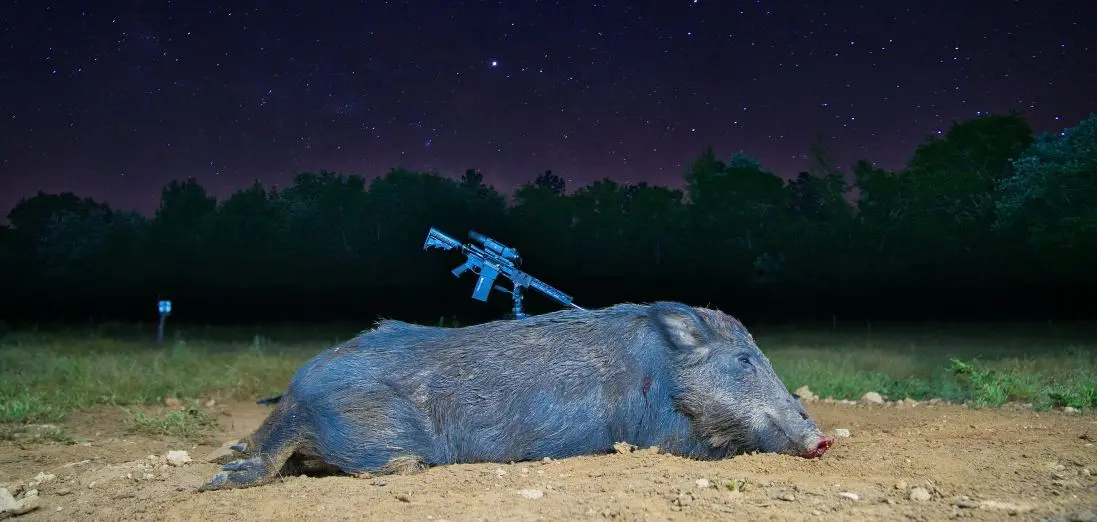
Hog Hunting Methods for Beginners
Depending on the conditions of your hunt and your preferences, you may employ different tactics when hunting hogs.
Spot and stalk
The spot and stalk method is one of the most commonly used ways to hunt hogs. This method involves moving slowly through the hunting area looking for signs of hog activity and then stalking close enough to take a shot.
To avoid detection, you need to take advantage of the wind to your advantage by approaching from the downwind side. Spot and stalk hunting hogs requires patience and skill.
Stand hunting
The stand hunting method is popular among hog hunters for spotting wild hogs and making them a target.
It is common for hunters to set up a treestand or ground blind near a food source, and then wait for hogs to approach.
When the hog is within range, the hunter takes a shot at it. When hunting from a tree stand, make sure you wear a safety harness to avoid falling and injury.
Hunting with Dogs
It is effective to hunt hogs with dogs since it allows the hunter to cover more ground and become more familiar with the hogs more quickly.
As well as alerting the hunter to the presence of a hog, the dogs can also hold it in place until the hunter is ready to attack.
Essential Hog Hunting Gear
Below is the list of hunting gear that any hunter should carry with him for a hog hunting trip during the day or at night.
1. Firearm and Ammunition
- Choose a caliber appropriate for hogs. Common options include .223 Remington, .308 Winchester, or 12-gauge shotguns with buckshot slugs.
- Bring plenty of ammunition, keeping in mind that hogs are tough animals and follow-up shots might be necessary.
2. Clothing and Footwear
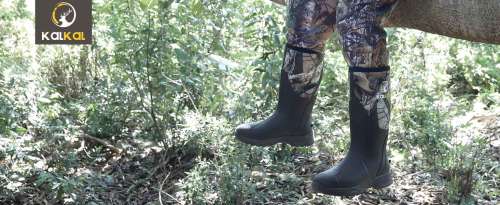
- Durable pants and boots: Protect your legs and feet from thorns, brush, and uneven terrain. Opt for snake hunting boots if hunting in an area with venomous snakes.
- Weather-appropriate clothing: Dress in layers to adapt to changing temperatures, especially if hunting in the morning or evening.
- Hat and gloves: Provide warmth and protection from the elements.
3. Navigation and Communication
- Handheld GPS or compass and map: Always know your location and have a backup navigation system in case of electronics failure. You can download some hunting Apps for assistance.
- Two-way radios (optional): Communicate with your hunting party, especially important in low-light conditions or dense terrain. Or you can bring a cell phone. This can also be helpful for emergencies, but service may be limited in remote hunting areas.
4. Hog Light
- Nightlight: At night, you can use red filters or low-power lights to avoid frightening the hogs. Here we recommend using red light for hog hunting. A smart control light that offers visibility for hunters when hogs show up, and it will not spook the hogs.
When using a hunting light, understanding how hogs see different colors can help you choose the right setup. Learn more about whether hogs can see red or green light.
How to Handle and Process Hog Meat Safely
- Field Dressing: Remove internal organs promptly to cool the meat and prevent spoilage. We recommend checking out the Kalkal hunting knife set for a quick and clean process.
- Skinning and Butchering: Use clean tools and wear gloves to avoid contamination. Learn more on how to protect yourself when dressing the game animals.
- Chilling the Meat: Refrigerate or ice the meat immediately after processing.
- Cooking Thoroughly: Wild hog meat should be cooked to an internal temperature of 160°F to kill parasites.
Can You Eat Wild Hog Meat?
When it comes to taste, many people agree that wild hog meat is leaner and has a richer flavor than the pork you find in stores.
This unique taste comes from the hogs’ natural diet and active lifestyle, which gives the meat a distinct character that many hunters and food lovers enjoy.
However, there are some health concerns to keep in mind. Raw or undercooked hog meat can carry diseases like trichinosis, which can be harmful.
To avoid any health risks, it’s important to cook the meat thoroughly. Cooking it at the right temperature will kill any harmful bacteria or parasites, making it safe to eat.
In addition to its flavor, wild hog meat is also a nutritious option. It’s high in protein, which is great for building and repairing muscles, and it’s low in fat, making it a healthier choice compared to some other meats.
Just remember, to get the most out of this healthy option, it’s crucial to handle and cook the meat properly. By doing so, you can enjoy a delicious and nutritious meal that’s not only flavorful but also good for you.
Conclusion
Across multiple states, people can participate in hog hunting activities year-round, particularly on privately owned territory.
Hunters must follow best practices while selecting suitable methods for hog hunting and learn how to handle meat correctly so they can achieve both a safe and successful hunting experience.
In the end, there is a notice for everyone: regulations may change based on local situations, so make sure to remain aware of state laws while maintaining a safe approach to ensure responsible and enjoyable seasons.