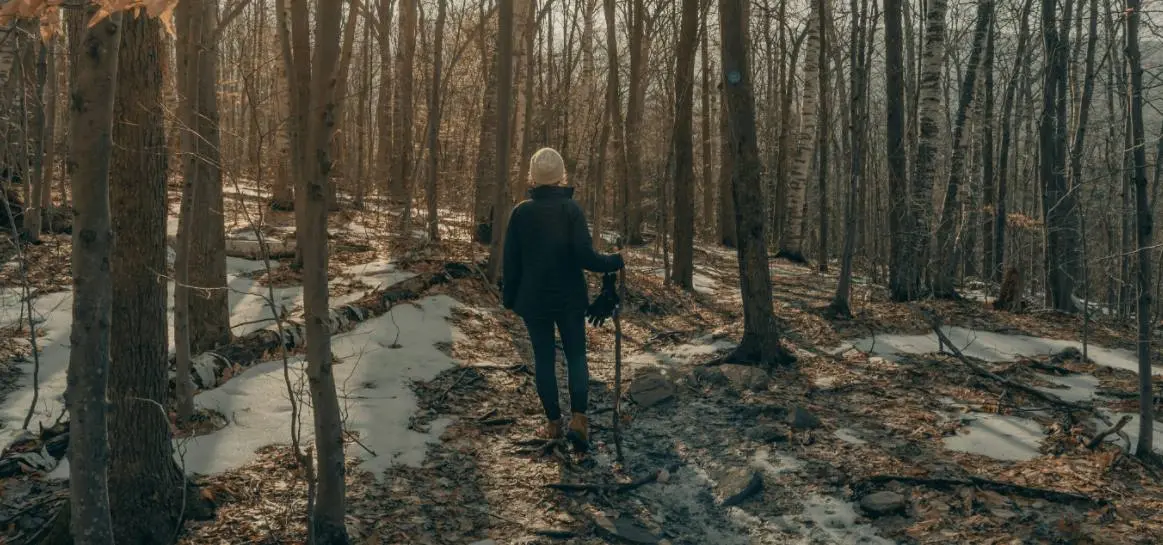
For avid hunters, there’s more to life than a hunting season: it’s just a matter of shifting into another stride. Rest, preparation, and discovery are valuable off-season periods. It’s a chance to fine-tune skills, find ways to use and manage resources, and discover new adventures.
Whether finding a new hobby to explore or just learning how to maintain gear year-round, you should strive to stay engaged beyond hunting season.
In this article, we’re going to take a look at what some hunters get up to in the off-season, the benefits, and how to fully enjoy some of the downtime.
1. Gear Inspection and Maintenance
To maintain hunting gear, do it without making it unpleasant, and ensure it stays in the best possible condition for future hunts. The off-season is the time to evaluate, clean, or repair all equipment.
What to Inspect
- Firearms and Bows: Look at clean barrels, check sight, and test triggers or strings.
- Hunting Clothing: Look for tears or wear, wash with scented-free detergent, and waterproof jackets.
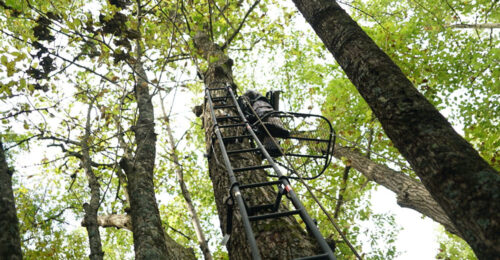
- Tree Stands and Ground Blinds: Look at rusted parts, broken parts, or sections that are moving erratically.
- Knives and Tools: Blades will be sharpened, and joints will be lubricated for easy operation.
How to Do It
To fully check and repair your gear and accessories, here’s a step-by-step guide:
1. Firearms and Bows
- Clean Thoroughly: Clean barrels, bolts, and mechanisms with a high-quality cleaning kit. Prevent rust with gun oil or bow wax and keep smooth operation.
- Inspect for Damage: Any stocks, screws, or bowstrings frayed or loose should be checked for cracks. Worn parts should be replaced immediately.
- Upgrade Accessories: Think about upgrading scopes, sights, or even stabilizers so shooting can be more accurate.
2. Hunting Clothing
- Inspect and Repair: Puncture, tear, or worn fabric. Cure small damages with fabric patches if something bad happens or use professional repair kits.
- Clean and Treat: Use a detergent that contains no odor to remove odors. Waterproofing sprays for coats and boots shall be applied again for better durability.
- Organize by Season: Packing for next season is made easier by storing gear by season (early, mid, or late).
3. Tree Stands and Blinds
- Inspect for Safety: Inspection for rusted bolts, loose joints, or concepts for structural weaknesses. Replace old straps and anchors with good-quality ones.
- Repaint or Treat Metal: Coating or spraying anti-rust paint on metal parts exposed in this way.
- Test Setup: Practice setting up your stand or blind to ensure that it still stays stable and still functional.
4. Knives and Tools
- Sharpen Blades: Restoring edges using a sharpening stone or electric sharpener would be done.
- Lubricate Moving Parts: Apply a little oil to make your hunting knives or multitool work better.
- Inspect Handles: Have a look for cracks or splinters in handles. Seal wooden handles with sand.
5. Electronics and Optics
- Clean Lenses: For scopes, binoculars, and cameras, use lens cleaning solutions and microfiber cloths.
- Check Batteries: Change or recharge batteries for trail cams, range finders, and flashlights. To prevent a waste of money, consider the use of rechargeable batteries.
- Test Functionality: Turn on all devices to make sure they turn on. Change any older software or firmware if necessary.
2. Continue Shooting Practice
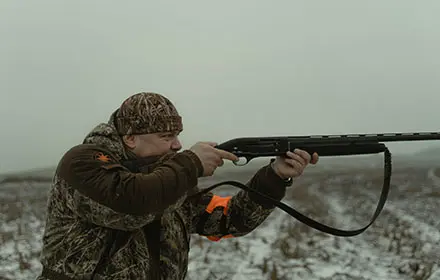
Regular practice helps stave off your shooting skills. The off-season is when hunters can work on accuracy, both on the practice range as well as with any new firearms or archery equipment they may be trying.
It warms up the muscles, most likely building muscle memory, and guns and children are just that much more confident for next season. Practice is both precise and teaches clean and accurate shots.
How to Practice:
- Visit local shooting ranges or set up a private range.
- Practice different shooting positions to simulate real hunting scenarios.
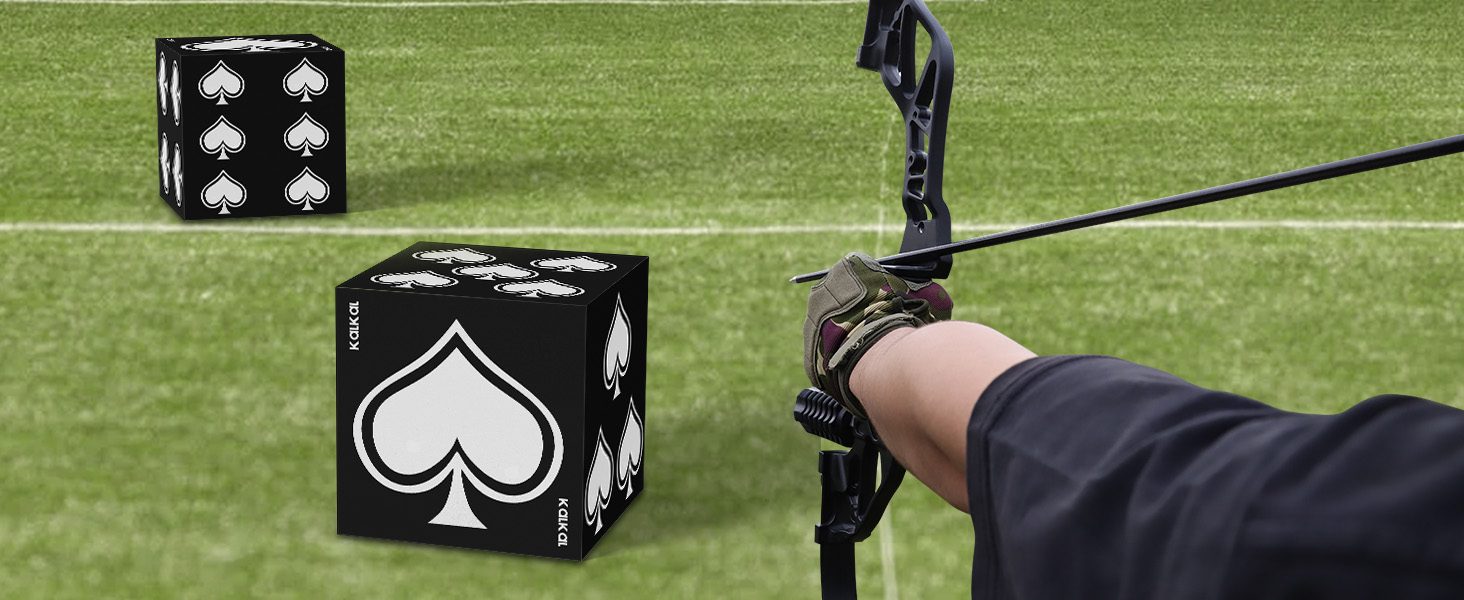
- Use reactive targets or Kalkal foam targets to track progress.
3. Trail Camera Review
Trail cameras give us an insight into wildlife behavior with data on animal habits, population density, and seasonal patterns.
Footage review allows hunters to view travel routes, feeding times, bedding areas, and even individual animals like dominant bucks. It is critical information for the success of hunting strategies.
When you start noticing consistent movement patterns on camera, it often signals a short window of opportunity, exactly what the 7-day deer hunting rule is built around.
How to Review Your Camera:
- Allow you to detect trends in footage, split by location, date, and time.
- Map’s software overlays calculated animal activity over terrain features such as water sources and cover spaces.
- Also, hunting patterns, for instance, any predator affecting game populations and conversely.
- Continually repositioning cameras and keeping them maintained will result in the best data collection all year long.
▶Check out more on: How To Configure Your Trail Camera Settings?
4. Scouting and Land Management
Exploring new hunting grounds and managing existing land are key off-season activities.
For hunters without private property, leasing hunting land can also be a practical way to secure consistent access and expand scouting opportunities.
Souting land in advance will allow you to:
- Identify bedding and feeding areas.
- Locate water sources and travel corridors.
- Prepare a detailed hunting plan for next season.
When you finally find a good hunting spot, you can manage it by setting up a food plot, such as planting native vegetation, controlling invasive species, and setting up mineral licks or feeders to attract wildlife.
5. Food Plot Management
Food plots create wildlife and provide healthy populations of animals. Some of the best hunting grounds are enhanced by a well-maintained food plot, and improve local ecosystems.
During hunting seasons, food plots can also help attract animals for a productive hunt. They’re best planted in the off-season.
To Plan a Food Plot:
- Pick an area that has good soil.
- Such plant species as clover, alfalfa, or turnips, that supply nutrition for deer, and other wildlife.
- Optimize the fertilization and pH with the use of soil tests.
6. Hunting Other Game Animals
Not all hunting occurs during the traditional big game season. There are legal year-round animals and games you can hunt during the off-season. It helps hunters to stay active and gives them more hunting challenges to improve their skills.
Some animals you can hunt all year round are:
- Feral hogs
- Coyotes
- Small game like rabbits or squirrels
If you haven’t hunted any of these animals yet, go for it, and it will be fun.
7. Volunteering for Conservation
Participating in conservation efforts connects hunters with their communities and ensures the preservation of wildlife and habitats. Volunteering is a great way to feel responsible among hunters.
How Hunters Can Contribute:
- Join the wildlife conservation groups.
- Help with habitat restoration projects.
- Work on clean-up drives to remove litter from hunting areas.
8. Enjoy Fishing
Fishing is a relaxing way to spend time in the outdoors, and you can go fishing in many places all year round.
Also, it inevitably helps to sharpen hunting-related skills of patience and observation, offers you fresh and sustainable food, and allows you to spend time with friends or family outside.
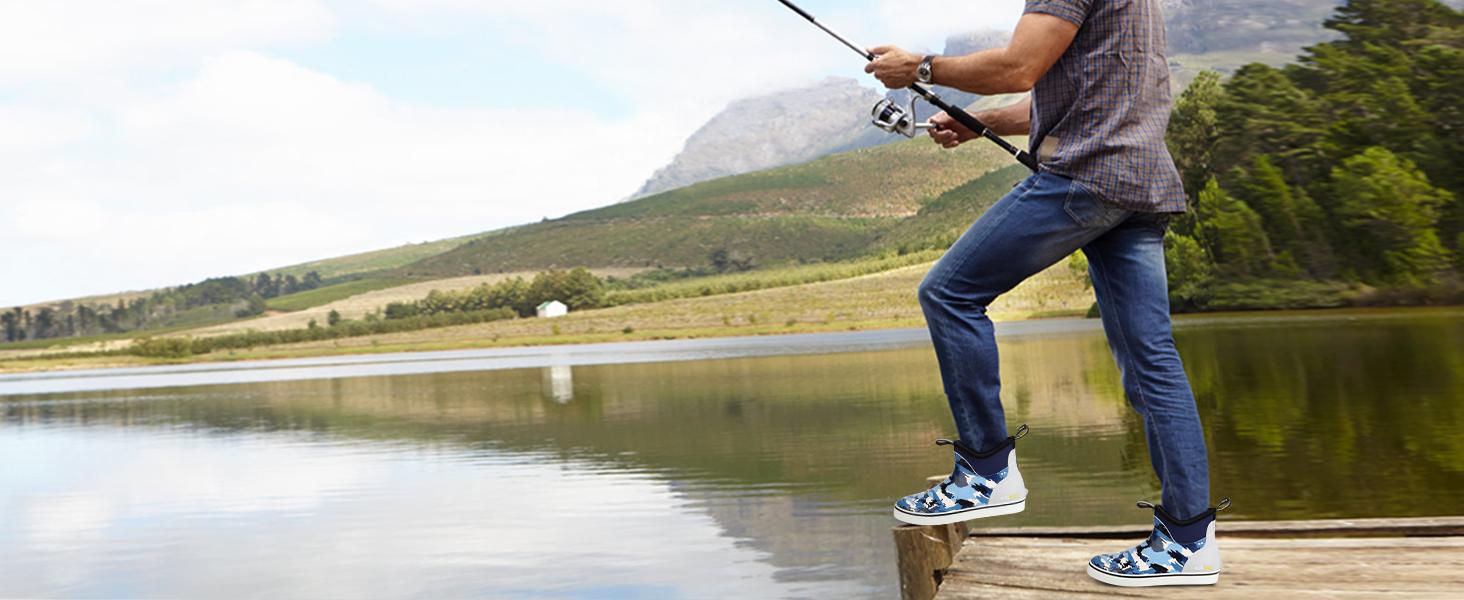
Go fishing, stay dry and comfortable with Kalkal Deck Boots
9. Camping and Hiking
Hunting from a campsite or on a hike combines both contact with nature and physical activity.
These activities help:
- Takes you through the art of building a fire and how to navigate it.
- Strengthens family bonds and strengthens friendships.
- Offers wildlife observation opportunities.
10. Shed Hunting
Antler shed hunting is a cool, productive off-season activity, where hunters hunt down antlers that deer and elk naturally ‘shed’ after the rut. Besides being fun, it’s an opportunity to learn information about the wildlife.
Through finding the antlers, you can locate post-season habitats and find out where deer and elk rest through winter and spring. These antlers tell you how old, how healthy, and what genetics they are.
You can also use antlers in one-of-a-kind crafts, furniture, or rustic home decor.
Tips for Successful Shed Hunting:
- Focus on High-Traffic Areas: Look for searched bedding zones, feeding sites, and trails the deer and elk use.
- Time It Right: The best time is from late winter through early spring, when most antlers are shed at this time.
- Look for Antler Rubs: That might indicate where bucks were in the rut.
- Use Tools: You can use binoculars or GPS apps to quickly scan and mark promising areas.
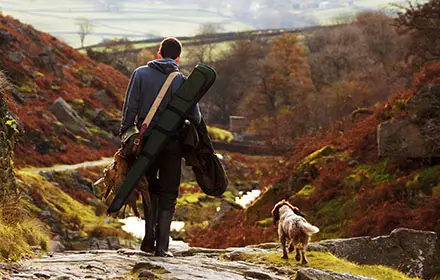
- Bring a Dog: You can easily train your dogs for shed-hunting, making it faster and more effective.
11. Outdoor Foraging
The off-season is a great time to be outside foraging for nature and get some wild edibles to add to the diet. Find mushrooms, berries, nuts, or herbs in your local area. But remember to search for them on the internet to make sure they are safe and edible.
Foraging is a great way to improve your tracking and observation skills while providing you with a safe, fresh, organic form of ingredients for meals.
Learn how to fish locally, attend classes, or use apps like iNaturalist to make up for the knowledge. Hunting is complemented by this activity to enrich outdoor survival skills.
12. Skill Development
It’s a great time of year for developing new hunting techniques or improving your old ones. To improve your effectiveness in the field, learn advanced tracking methods, map reading, or animal calling.
Take part in workshops as well as online courses on butchering, hide tanning, or outdoor survival. You can also take advantage of networking with seasoned hunters who have something useful to share by talking to them in forums or clubs.
This will make you more confident and ready for the rather more difficult hunts in the next season as you combine different skills.
13. Fitness Training
Physical endurance, strength, and agility are required for hunting, and off-season fitness is a must. Build stamina, strength, and flexibility with cardio strength training and flexibility exercises to reduce your injury risks.
You need to adapt your routine during hunting, to act like one, by going on weighted hikes or even shooting while kneeling.
A fitness regimen should be a constant so you’re ready for any physical demands of the hunt, and to increase your safety and performance.
14. Preparing for the Turkey Season
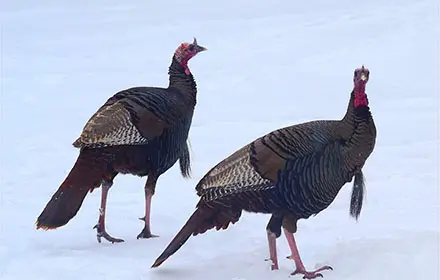
Turkey season typically begins in March, and hunters should prepare in advance.
How to Prepare:
- Apply for necessary tags and licenses. We already guided you through the process here: How to apply for spring turkey tags?
- Scout areas for turkey activity.
- Practice turkey calls to perfect technique.
- Prepare all essential gear that is needed for turkey hunting, like the turkey hunting boots, turkey vest, game calls, ground blind.
15. Engaging in Other Hobbies
Hunters often use the off-season to explore hobbies like cooking wild game, creating recipes, or even playing hunting-related video games.
Here are some popular hobbies that you can try:
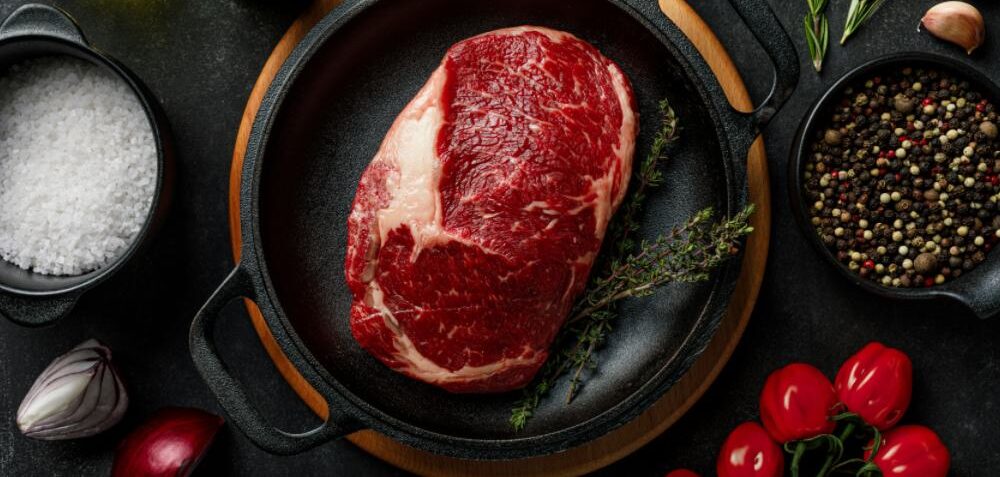
- Smoking or grilling venison.
- Experimenting with new seasoning blends.
- Playing hunting-related video games for entertainment and practice.
16. Watching Hunting Shows
Hunting shows provide valuable insights, entertainment, and inspiration for the upcoming season. Platforms like the Outdoor Channel, Sportsman Channel, and Pursuit Channel feature expert-driven content on hunting strategies, gear reviews, and conservation efforts. Additionally,
Besides, MeatEater, The Hunting Public, and Born and Raised Outdoors YouTube channels provide true and realistic content as well as instructions for hunters at any level.
By watching these shows, you are able to improve your skills, and expand your knowledge, as well as help you stay motivated.
17. Family and Community Engagement
Both can enrich the off-season: spending time with family and taking part in community events. Family outings, teaching kids about nature, and introducing them to first hunting, game meat cookouts, etc., all of these stuff help in relationship-making and living outdoors.
Conclusion
Hunters will never find a lack of things to do during the off-season; stay active, hone their skills, and bond with nature. Every moment that isn’t spent out hunting constitutes the anticipation for the next season, followed by the joy of being able to gear up and go do it all over again.
The off-season is just as valuable as the hunt itself. You can make the most of this temporary downtime by being well-prepared, well-informed, and well-excited to get back out into the field.