

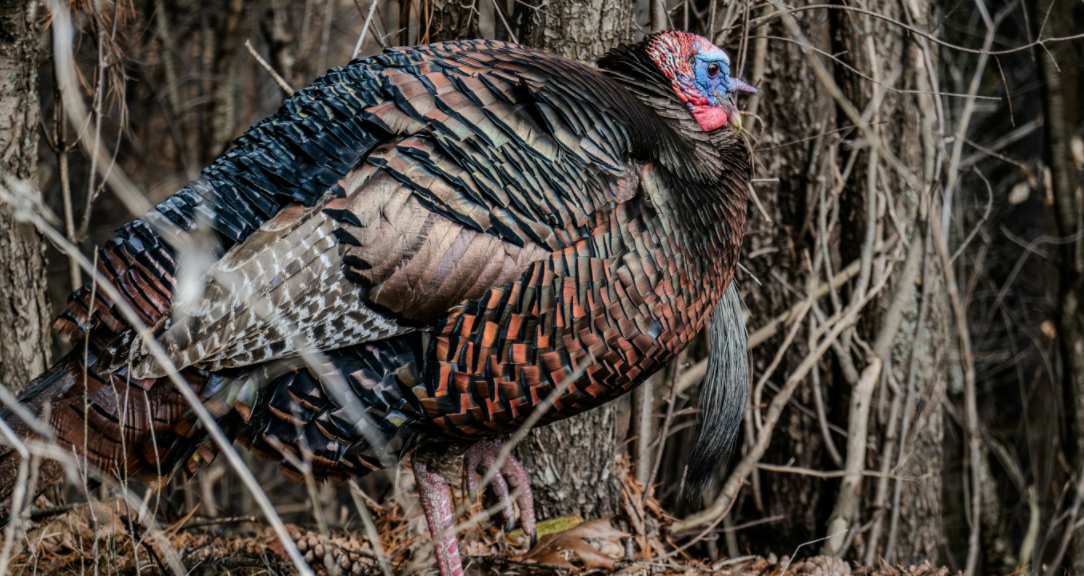
A person who has ever once in his lifetime been in the woods during a turkey hunting season must have heard the sound of a wild turkey. But have you ever had a question as to why do turkeys gobble, and when they do that most actively?
Knowledge of turkey gobbling is essential to hunters, bird watchers, and anyone interested in the sounds these birds produce in the wild. This guide will look at why turkeys gobble, what makes them gobble, and how to use a gobble call.
What Is Turkey Gobbling?
Gobble is a specific call given by wild and domesticated turkeys, especially by male turkeys or toms and gobblers.
The gobble is a rapid sequence of staccato or short, wavering notes; thus, this name is given to the call of the bird. They have been described as loud, high-pitched, and with a rolling or rattling sound.
It is fast, rhythmic, and can travel for hundreds of meters; it is a major aspect of their communication. While gobbling is most frequent during the spring, it may take place at any time due to other reasons in the wild turkey’s lifestyle.
It is a vocalization produced by a turkey’s syrinx, a structure in birds that is used for making several sounds. Unlike others, such as the clucking, yelping, and putting calls, the gobble is unique and easy to identify as belonging to a turkey.
Purpose of Gobbling In Turkey Communication
Gobbling is a natural turkey behavior that serves many roles in daily life, especially in social interaction and foraging.
1. Attracting Hens
One of the ways that toms gobble is to attract hens for mating during the breeding season, and this is mostly in spring.
Often and loudly, gobbles have a positive connotation because good health and stiff competition would be attractive to females. When choosing their mates, hens listen to not only the loudness but also the steadiness of a gobble.
2. Establishing Dominance
Different turkeys possess various social ranking systems that prevail among them, which is referred to as the pecking order. Gobbling is a technique employed by toms to instill fear in fellow toms, bearing the intention of invading the territory.
A very dominant tom may pretend to eat by gobbling more often. He does this so subordinate males will not challenge him. This helps maintain order in the flock.
3. Responding to Environmental Stimuli
It may also arise from several stimuli such as loud sounds that include thunder, gunshots, and calls of birds. Some turkeys also utter sounds to the effect of farming equipment, barking canines, or the sound of shutting car doors.
This reflexive gobbling is called “shock gobbling” and is beneficial to the turkey to be alive in the presence of other animals as well as other turkeys in the same area.
4. Warning of Potential Threats
Turkeys will vocalize their gobbling call for danger detection together with mating displays and dominance behaviors. A turkey’s gobble function activates as a protective warning that signals the flock to stay watchful and focused on escaping danger.
Do Female Turkeys Gobble?
Hens do not typically gobble. Turkeys use yelps together with purrs and clucks for communicating.
Reported female turkeys that produce the typical male gobble mainly exist due to hormonal imbalances or influences from their environment. All significant instances of gobbling occur when males exhibit this behavior.
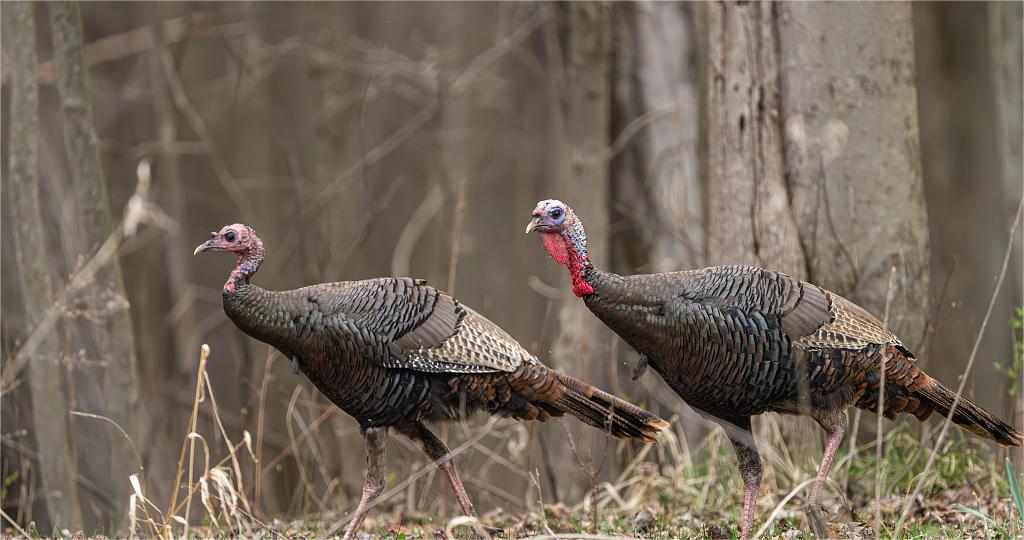
When Do Turkeys Gobble?
The turkey’s gobble behavior plays a vital role for hunters, wildlife enthusiasts, and birdwatchers at different times and under different conditions.
A turkey’s tendency to gobble shows changes according to seasonal schedules and daily times, along with environmental conditions and the social behavior of other turkeys.
What Triggers a Turkey to Start Gobbling?
Different events activate turkey gobbling due to multiple reasons that cause this vocalization:
- Breeding Season (Primary Trigger)
Turkeys produce their strongest and most aggressive sounds during the spring breeding season.
The sound of their gobbles tells other hens that they are available for mating while simultaneously notifying rival males that they should remain away. The most increased gobbling happens in this period.
- Dawn and Dusk Activity
Gobbling rises to its highest intensity during the first hours of daylight since turkeys display this behavior while heading from their roosting site.
Sounding their voices helps them display their position to other animals while marking their power status. The sounds of gobbling at nighttime roosting sites are much quieter than the gobbles that occur at first light.
- Loud Noises and Sudden Sounds
Extraordinary sounds, like thunderclaps, gunfire, vehicle doors shutting, or coyote howls, can trigger turkeys to gobble.
Turkey birds use “shock gobbling” as their automatic reaction to detect unexpected changes in their habitat. Hunters use owl hoots, crow calls, and artificial gobble calls to trigger surprise gobbles. These sounds help them find possible turkey locations.
- Interaction with Other Turkeys
One main purpose of turkey gobbling is to communicate with females. It also helps males control other males and show the group is present.
The proximity of multiple toms leads to enhanced gobbling behavior since each tries to gain notice from other birds.
- Territorial Behavior
Animals use gobbles as both territorial defense signals and communication tools among member birds.
A tom who detects another gobbler inside his range will typically respond by producing his call to show superiority to ward off competing males from his domain.
When Do Turkeys Start Gobbling?
Gobbling is a learned behavior that starts at a young age but becomes more refined as turkeys mature.
- Young Gobblers (Jakes – 6 to 8 Months Old): Young male birds will start practicing their gobbler before they are a year old, at 6 to 8 months of age. However, their gobbles are softer, crude, and not as loud and often as in the case of mature toms.
- Mature Toms (1.5 to 2 Years Old and Beyond): Gobbling can become prodigiously louder and more persistent, especially in the spring. These toms have well-developed vocal cords and are aggressive during the breeding periods. According to the roosters’ age, mature toms eat more; this is when there are hens, as well as competitors around.
When Do Turkeys Gobble Throughout the Day?
Turkeys follow a predictable gobbling pattern based on their daily routine.
- Morning (Most Active Period): A large part of tooting happens during the break of dawn. This is the time when toms call their presence, look for females, and challenge other members of the same sex. The maximum feeding activity is observed when the birds are still perched on trees before dawn and a few minutes after coming down.
- Midday (Reduced Gobbling): By mid-morning, the activity on the part of the gobbling diminishes. The cocks that have found hens become less vocal, while others may crow at the odd interval. Despite this, it is rarely done in the midday, or by a tom that is still looking for a mate.
- Evening (Less Frequent but Still Possible): Turkeys also feed more frequently but not very often in the evening as they are preparing to rest in the trees. Although not as loud as the greeting calls heard in the early morning, some toms will utter some calls before they roost.
When Do Turkeys Gobble the Most?
Turkeys gobble the most during the early morning hours of spring, especially in:
- Pre-Dawn and Shortly After Sunrise: Toms reach their maximum vocal expression period before sunrise and immediately during their early hours.
- During Peak Breeding Weeks (Spring): The maximum mating period of Spring corresponds to the fiercest gobbling habits of turkeys.
- When Competing for Hens: Turkeys in competition for hens will increase their gobbling behavior when more than one tom enters an occupied territory.
Understanding this peak activity period is crucial for hunters, as it helps them locate and call turkeys more effectively.
When Do Turkeys Stop Gobbling?
The habit of turkey gobbling diminishes throughout the year because several environmental factors cut down vocalization levels.
- End of the Breeding Season (Late Spring to Early Summer): In late spring and early summer, hens reach the end of the breeding season. Male turkeys stop their distinctive gobbles. Their breeding duties ease, so they no longer need to attract mates and decrease their gobbling activity.
- Extreme Weather Conditions: Turkeys reduce their vocalizations when subjected to harsh weather conditions, such as windstorms, heavy precipitation, and hot temperatures.
- Hunting Pressure: Turkeys located in heavily hunted areas decrease their gobbling sounds because they want to stay hidden from potential hunters.
- After Securing Mates: A successful and bonded male turkey will stop gobbling primarily to tend and defend his established group of females.
Weather and Seasons Impacts on Turkey Gobbling
The frequency of turkeys calling their mates depends closely on weather patterns combined with seasonal variations:
- Spring (Peak Gobbling Season): In spring, turkey gobbles hit their yearly peak. Turkeys do this because they begin breeding. When mornings are warm and still with visibility in the skies, turkeys are most active in sounding their gobbling calls.
- Summer (Decline in Gobbling): Temperature rises and nesting activities among hens result in a major reduction of turkey gobbling behavior during summer months. Turkey focuses primarily on food acquisition instead of vocalizing throughout the day.
- Fall (Minimal Gobbling, Mostly Social Calls): In the fall, turkeys primarily communicate socially but jake turkeys will produce the minimal gobbling sounds to demonstrate their position within the group hierarchy. Turkeys become predominantly audible through yelps and clucks instead of their traditional gobbling during this time.
- Winter (Very Little to No Gobbling): Gobbling becomes almost non-existent as winter arrives due to both frigid temperatures and reduced daylight hours. Turkeys prefer survival during winter by using their flock communication abilities instead of trying to attract mates.
- Weather Factors That Influence Gobbling: Clear, cool mornings are Ideal conditions for gobbling. On windy or rainy days, turkeys gobble less since sound doesn’t carry well. When sudden weather changes, a drop in barometric pressure before a storm can sometimes increase gobbling.
How Far Can You Hear a Turkey Gobble?
Factors Affecting Gobble Sound Distance
A turkey’s gobble is one of the most recognizable sounds in the wild, often carried across vast distances. However, how far you can hear it depends on several factors.
- Terrain: Sound travels farther in open fields, valleys, and flat land, while thick forests, hills, and dense vegetation absorb or deflect sound, making gobbles harder to hear.
- Weather Conditions: Calm, cool mornings allow gobbles to travel the farthest, while wind, rain, and humidity can reduce sound clarity and distance.
- Turkey’s Size and Health: Mature, healthy toms produce deeper, louder gobbles that carry farther than the weaker gobbles of young jakes.
- Background Noise: Natural sounds like rushing water, strong winds, or human activities (traffic, farm equipment) can interfere with gobble detection.
How Far Can You Hear a Turkey Gobble?
Under ideal conditions—calm weather and open terrain—a turkey’s gobble can be heard from up to one mile away. However, in dense woods or windy conditions, the range may shrink to 300 – 500 yards.
Best Turkey Gobble Calls
Common Types of Turkey Gobble Calls
Hunters use turkey gobble calls to mimic a tom’s gobble, which can attract rival turkeys or curious hens. Some popular types include:
- Shaker Calls: Easy to use and produce realistic gobbles.
- Box Calls: Versatile and produce both gobbles and hen calls.
- Mouth Calls (Diaphragm Calls): Require practice but offer hands-free operation.
Recommended Turkey Gobble Calls
- Primos Gobble Shaker Call– One of the most user-friendly and effective gobble calls for beginners and seasoned hunters.
- Knight & Hale Turkey Call– Known for its realistic sound and durability.
- S. Strut Mega Gobble Call– Produces loud, realistic gobbles that carry well over long distances.
Tips for Using a Gobble Call for Hunting
- Use Sparingly: Overuse can alert turkeys or scare them away.
- Pair with Other Calls: Combine gobbles with hen yelps for a natural calling sequence.
- Mimic Realistic Patterns: Turkeys don’t gobble continuously; space out your calls to match natural behavior.
- Be Aware of Hunting Pressure: In areas with heavy hunting activity, overusing a gobble call can attract other hunters instead of turkeys.
Conclusion
Knowing how turkey gobble is important for people who hunt these birds and others who study turkey behavior in the wild. The practice of gobbling functions to draw mates and show dominance among turkeys.
Natural phenomena and biological age affect the rate at which turkeys perform their characteristic vocalizations, also known as gobbling. Understanding sound distances of gobbling combined with using good-quality turkey gobble calls will help hunters improve their success rate.
You may also like:




Add comment