
Last Updated: August, 2026.
Vermont is known for its high population of black bears and whitetail deer, which makes it a popular state for big game hunting.
The state has more than 800,000 acres of state public land, offering hunting opportunities throughout the year, with seasons for different game. Season dates can vary by species, hunting method, and Wildlife Management Unit (WMU).
Use the Vermont hunting season calendar below to quickly find opening dates, closing dates, and important season changes for 2026.
Vermont Hunting Seasons Schedule 2026
Vermont Hunting Seasons 2026
| Species | Zone / Area | Season / Type | Start Date | End Date |
|---|---|---|---|---|
| Deer | Statewide | Youth and Novice Weekend | Nov 7, 2026 | Nov 8, 2026 |
| Deer | Statewide | Archery | Oct 1, 2026 | Nov 13, 2026 |
| Deer | Designated Areas | Expanded Archery | Sep 15, 2026 | Sep 30, 2026 |
| Deer | Statewide | Muzzleloader (Antlerless) | Oct 29, 2026 | Nov 1, 2026 |
| Deer | Statewide | November Regular | Nov 14, 2026 | Nov 29, 2026 |
| Deer | Statewide | Muzzleloader | Nov 30, 2026 | Dec 13, 2026 |
| Turkey | Statewide | Spring | May 1, 2026 | May 31, 2026 |
| Turkey | Statewide | Youth and Novice Weekend | Apr 25, 2026 | Apr 26, 2026 |
| Turkey | Statewide | Fall (Archery Only) | Oct 1, 2026 | Nov 13, 2026 |
| Turkey | WMUs B, D, G, H, I, J, L, M, O, P, Q | Fall (Archery or Shotgun) | Oct 14, 2026 | Nov 1, 2026 |
| Turkey | WMUs F, K, N | Fall (Archery or Shotgun) | Oct 24, 2026 | Nov 8, 2026 |
| Black Bear | Statewide | Early | Sep 1, 2026 | Nov 13, 2026 |
| Black Bear | Statewide | Late | Nov 14, 2026 | Nov 22, 2026 |
| Black Bear | Statewide | Resident with Dogs (By Permit) | Sep 1, 2026 | Nov 22, 2026 |
| Black Bear | Statewide | Nonresident with Dogs (By Permit) | Sep 15, 2026 | Nov 22, 2026 |
| Moose | By WMU (Lottery) | Archery (If Permits Issued) | Oct 1, 2026 | Oct 7, 2026 |
| Moose | By WMU (Lottery) | Regular (If Permits Issued) | Oct 18, 2026 | Oct 23, 2026 |
| Small Game | All WMUs Except D & E | Cottontail Rabbit & Snowshoe Hare | Sep 27, 2025 Sep 26, 2026 | Mar 8, 2026 Mar 14, 2027 |
| Small Game | WMUs D & E | Cottontail Rabbit & Snowshoe Hare | Sep 27, 2025 Sep 26, 2026 | Mar 8, 2026 Mar 31, 2027 |
| Small Game | Statewide | Gray Squirrel | Sep 1, 2026 | Dec 31, 2026 |
| Small Game | Statewide | Crow (Fridays–Mondays Only) | Jan 16, 2026 Aug 21, 2026 | Apr 20, 2026 Dec 18, 2026 |
| Waterfowl | Lake Champlain Zone | Ducks, Coots & Mergansers | Oct 11, 2025 Nov 22, 2025 | Nov 2, 2025 Dec 28, 2025 |
| Waterfowl | Interior Vermont Zone | Ducks, Coots & Mergansers | Oct 11, 2025 | Dec 9, 2025 |
| Waterfowl | Connecticut River Zone | Ducks, Coots & Mergansers | Oct 13, 2025 Nov 27, 2025 | Nov 11, 2025 Dec 26, 2025 |
| Waterfowl | Lake Champlain Zone | Scaup | Oct 11, 2025 Nov 22, 2025 Dec 9, 2025 | Nov 2, 2025 Dec 8, 2025 Dec 28, 2025 |
| Waterfowl | Interior Vermont Zone | Scaup | Oct 11, 2025 Nov 20, 2025 | Nov 19, 2025 Dec 9, 2025 |
| Waterfowl | Connecticut River Zone | Scaup | Oct 13, 2025 Nov 27, 2025 | Nov 11, 2025 Dec 26, 2025 |
| Waterfowl | Lake Champlain Zone | Canada Geese | Sep 1, 2025 Oct 11, 2025 Dec 1, 2025 | Sep 25, 2025 Nov 9, 2025 Jan 19, 2026 |
| Waterfowl | Interior Vermont Zone | Canada Geese | Sep 1, 2025 Oct 11, 2025 Dec 1, 2025 | Sep 25, 2025 Nov 9, 2025 Jan 19, 2026 |
| Waterfowl | Connecticut River Zone | Canada Geese | Sep 1, 2025 Oct 13, 2025 Nov 27, 2025 Dec 27, 2025 | Sep 25, 2025 Nov 11, 2025 Dec 26, 2025 Jan 15, 2026 |
| Waterfowl | Lake Champlain Zone | Snow Geese | Oct 1, 2025 Feb 26, 2026 Mar 11, 2026 | Dec 31, 2025 Mar 10, 2026 Apr 24, 2026 |
| Waterfowl | Interior Vermont Zone | Snow Geese | Oct 1, 2025 Feb 26, 2026 Mar 11, 2026 | Dec 31, 2025 Mar 10, 2026 Apr 24, 2026 |
| Waterfowl | Connecticut River Zone | Snow Geese | Oct 13, 2025 Nov 27, 2025 Mar 11, 2026 | Nov 11, 2025 Dec 26, 2025 Apr 24, 2026 |
| Waterfowl | Lake Champlain Zone | Brant | Oct 11, 2025 | Nov 9, 2025 |
| Waterfowl | Interior Vermont Zone | Brant | Oct 11, 2026 | Nov 9, 2026 |
| Waterfowl | Connecticut River Zone | Brant | Oct 13, 2025 | Nov 11, 2025 |
| Waterfowl | Statewide | Snipe | Sep 27, 2025 | Nov 10, 2025 |
| Upland Birds | Statewide | Ruffed Grouse | Sep 26, 2026 | Dec 31, 2026 |
| Upland Birds | Statewide | Woodcock | Sep 27, 2025 | Nov 10, 2025 |
| Furbearer (Hunting) | Statewide | Coyote – Without Dogs (No Closed Season) | — | — |
| Furbearer (Hunting) | Statewide | Coyote – With Dogs | Dec 15, 2025 | Mar 31, 2026 |
| Furbearer (Hunting) | Statewide | Bobcat | Jan 10, 2026 | Feb 7, 2026 |
| Furbearer (Hunting) | Statewide | Muskrat | Mar 20, 2026 | Apr 19, 2026 |
| Furbearer (Hunting) | Statewide | Raccoon | Oct 2025 Oct 24, 2026 | Feb 8, 2026 Feb 14, 2027 |
| Furbearer (Hunting) | Statewide | Fisher, Otter, Beaver, Marten, Lynx & Wolf (No Open Season) | — | — |
| Trapping | Statewide | Mink, Skunk, Fox, Raccoon, Coyote, Opossum & Weasel | Oct 24, 2026 | Dec 31, 2026 |
| Trapping | Statewide | Otter | Oct 25, 2025 Oct 24, 2026 | Mar 31, 2026 Mar 31, 2027 |
| Trapping | Statewide | Muskrat | Oct 25, 2025 Oct 24, 2026 | Mar 31, 2026 Mar 31, 2027 |
| Trapping | Statewide | Beaver | Oct 25, 2025 Oct 24, 2026 | Mar 31, 2026 Mar 31, 2027 |
| Trapping | Statewide | Bobcat | Dec 1, 2026 | Dec 16, 2026 |
| Trapping | Statewide | Fisher | Dec 1, 2026 | Dec 31, 2026 |
| Trapping | Statewide | Marten, Lynx & Wolf (No Open Season) | — | — |
Deer Hunting Seasons
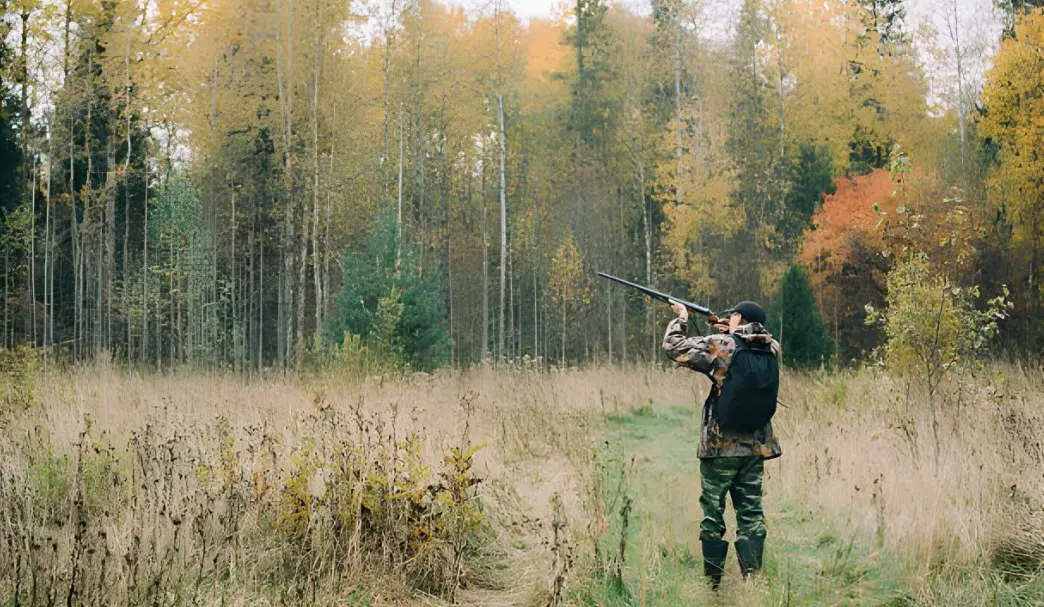
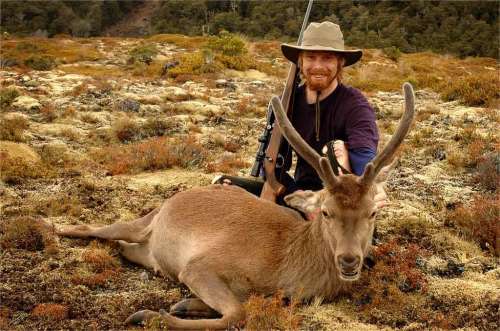
Deer hunting is the biggest hunting tradition in Vermont, and whitetails are the species that most hunters spend the year preparing for.
Season Changes in 2026
One of the biggest changes is in the deer archery season. Instead of shutting down during the November regular deer season, archery will now run straight from October 1 through December 15. It gives bowhunters more freedom to choose their days throughout the fall.
Instead of focusing only on opening day, successful Vermont deer hunters usually plan around season timing, deer behavior, and the area they hunt. Vermont deer hunting includes several opportunities:
- Expanded archery season in selected areas
- Statewide archery season
- Youth and novice weekend
- Regular November deer season
- Muzzleloader seasons
Each season offers a different hunting style. Early archery hunters often focus on scouting and patterning deer before pressure increases. November hunters usually shift their strategy as deer movement changes during the rut.
Always check your Wildlife Management Unit (WMU) before hunting. Vermont deer regulations are not always the same across the entire state.
There are some rule changes in 2026. Some changes are small, but they can make a big difference when planning your season. A hunter driving across the state may not realize that the rules can change from one WMU to another.
Such as, WMU-D1 has restored antler point restrictions while other units continue under different rules.
Tips for Hunting Vermont Whitetails
Vermont’s deer habitat is a mix of hardwood forests, agricultural fields, mountains, and thick cover. Deer often use these different areas depending on food availability and hunting pressure.
A few things that can improve your odds:
Scout food sources early. Hard mast, especially acorns, can change deer movement quickly. Finding active feeding areas before the season starts can save many hours later.
Hunt travel corridors. Instead of only sitting over feeding areas, look for:
- Saddles between ridges
- Logging roads
- Creek crossings
- Edges between thick cover and open areas
- Prepare for changing weather
Cold fronts and falling temperatures can trigger more daytime movement, especially during the November rut.
▶Read More: Complete Deer Hunting Guide.
🔔Notes:
- No more than 4 deer in a year, and only one may be a legal buck.
- In the Muzzleloader Antlerless season, a muzzleloader license and an antlerless permit are required for hunters.
- What is a legal buck:
”In Wildlife Management Units C, D1, D2 E1, E2, G, I, L, M, P, and Q, a legal buck is a deer with a minimum antler length of three inches.
In Units A, B, F1, F2, H, J1, J2, K, N, and O, a legal buck is a deer with at least one antler with two or more points that are one inch in length or longer.”
Vermont Black Bear Seasons
Vermont is home to a strong black bear population and is an important part of wildlife management in the state.
Most Vermont bear hunters focus on early fall, when bears are actively feeding and preparing for winter. They can be found across forested areas, especially where food sources are available.
Where to Look For Black Bear?
Because food availability changes every year, successful bear hunters usually spend time scouting instead of relying only on previous hunting locations.
Before the season begins, look for food sources because bears spend much of their time searching for high-calorie foods. These areas will usually attract bears:
- Oak trees producing acorns
- Wild berries
- Apple trees
- Corn and agricultural fields
Also, learning how bears move between feeding and bedding areas can help narrow down hunting locations. You can scout for areas in thick cover, mountain saddles, and creek bottoms.
Vermont Bear Hunting Methods
Vermont allows different bear hunting approaches depending on the season and regulations.
Many hunters choose to hunt over natural food sources and work with trained dogs where allowed.
Bear hunting is rarely about sitting in one spot and waiting. It usually involves understanding the landscape and adjusting as conditions change.
Vermont bear country can include steep mountains, thick woods, and wet conditions. You will need reliable equipment, especially rugged hunting boots and navigation tools.
🔔Notes:
- To participate in the Early Bear Season, hunters need a specific Early Bear Season tag.
- Hunters can only harvest one bear per year.
- Using bait is not allowed in this season.
- Hounds can be used, but certain conditions must be met, including having a bear-dog permit, using a maximum of six dogs, and not using commercial guiding.
Vermont Moose Seasons
Moose hunting in Vermont is a very different experience from deer hunting. It is not a high-volume hunt; it is a limited opportunity hunt that requires patience, preparation, and usually a little luck.
Vermont manages moose hunting through a lottery permit system with limited numbers. Only hunters who have been chosen are eligible to hunt moose. Each permit allows the harvest of one moose.
The biggest update for 2026 is the extension of the regular moose season. It increases from 6 consecutive days to 9 consecutive days, beginning on the third Saturday in October.
Where Vermont Moose Hunters Focus
Most Vermont moose hunting opportunities are concentrated in the northern part of the state, especially areas with large forest tracts and suitable moose habitat.
Successful hunters usually spend time before the season:
- Learning road access points
- Glass hunting openings and clear cuts
- Looking for tracks and moose sign
- Understanding where animals move during different weather conditions
Moose Hunting Preparation Tips
If you are lucky enough to draw a Vermont moose permit, preparation starts well before opening day.
You should bring: reliable navigation tools, Kalkal hunting boots for wet and rough terrain, weather-resistant clothing, and a plan for meat recovery and transportation
A moose is much larger than a deer, and getting the animal out of the woods can be one of the hardest parts of the hunt.
Vermont Turkey Seasons
Turkey hunting is one of Vermont’s most popular spring hunting traditions. Spring hunting focuses on calling mature gobblers during the breeding season, while fall hunting is more about finding and patterning turkey flocks.
Spring Turkey Hunting in Vermont
During the spring season, male turkeys (toms) are more vocal and easier to locate because they are actively searching for hens. Early mornings are often the best time to listen for gobbles from ridges, fields, and open hardwood areas.
Finding where birds roost, feed, and travel is often more important than carrying a large selection of calls.
A turkey that knows the land is difficult to fool, so learning their daily patterns before the season starts can make a major difference.
Fall Turkey Hunting in Vermont
Vermont hunters will have a longer fall archery turkey opportunity in 2026.
The fall archery turkey season now begins on October 1, matching the start of the archery deer season, and continues until the Friday before the regular November deer season.
For hunters who enjoy both deer and turkey hunting, this creates a unique overlap. A September scouting trip can now help prepare for multiple fall hunts at the same time.
Fall turkey hunting is different from spring hunting. Instead of trying to call in a fired-up gobbler, hunters often focus on locating family groups and understanding where birds move throughout the day.
Notice that turkeys are constantly moving based on food, weather, and pressure. A location that produced birds last year may not be active this year.
▶Read our story of We Went Silent on a Hung-Up Gobbler, and It Worked.
Vermont Small Game Seasons
Small game hunting is also a great way for new hunters to learn the woods, practice shooting skills, and build confidence before moving on to larger game.
Vermont’s most popular small game opportunities include gray squirrel, rabbit, hare, and ruffed grouse. Each species requires a different approach.
Gray Squirrel Hunting
Gray squirrels are one of the easiest small game animals to overlook, but they offer a surprisingly challenging hunt.
The best squirrel hunting usually happens in mature hardwood forests where trees produce reliable food sources, especially oak trees with acorns, beech trees, and hickory stands.
Many hunters start the fall season with squirrels. Early morning and late afternoon are often productive times because squirrels are moving and feeding.
Rabbit and Hare Hunting
Rabbit and snowshoe hare hunting is a different experience from squirrel hunting. You should often focus on thick cover where these animals feel safe.
Snowshoe hare are especially associated with northern forests and areas with dense young softwood growth, while cottontail rabbits are more common around agricultural areas and brushy lowlands.
Ruffed Grouse Hunting
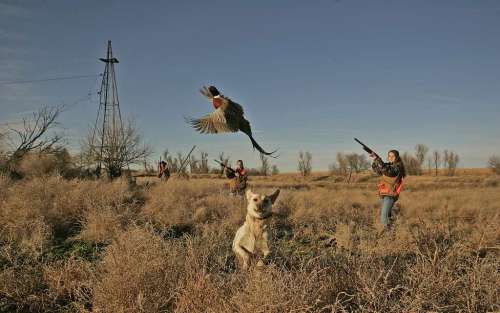
Ruffed grouse are one of Vermont’s most exciting upland game birds.
Unlike sitting over a food source, grouse hunting is often about covering the right habitat and being ready for a quick shot.
Grouse numbers can change depending on habitat conditions, so you will often have better success by exploring new areas rather than returning to the same spot every year.
Vermont Hunting Regulations Hunters Should Know
Before every hunt, check the current regulations for the area you plan to hunt. A rule that applies in one part of Vermont may not apply somewhere else.
- If you plan to hunt turkey, bear, or deer with a bow or crossbow, carry proof that you held an archery license or finished a bowhunter education course (from Vermont or any other state). Keep that proof with your license in the field all the time.
- Tag big game animals immediately after you take them. Don’t wait.
- Must report your take within 48 hours to Vermont Fish & Wildlife (follow the agency’s reporting instructions).
- Do not use bait to hunt bears, deer, or any wild animal.
- Don’t use snares, traps, salt licks, jacks, or lights to take animals. Those methods are illegal.
- During deer archery season, do not carry a rifle, shotgun, or muzzleloader.
- You may use only a shotgun, bow, or crossbow to take turkeys. Do not carry or use a rifle while turkey hunting.
- You may not take more than four deer in a calendar year. Only one of those can be a legal buck (one antler at least 3 inches long).
- Hunting hours run from ½ hour before sunrise to ½ hour after sunset. Stick to those times.
- Vermont does not legally require hunter orange, but we recommend wearing it anyway for your safety. A simple orange hat and vest can make you much easier for other hunters to see.
- A large amount of Vermont hunting takes place on private land. Always ask permission before hunting private property.
Vermont Hunting Licenses
To hunt game animals in Vermont, in addition to hunting licenses, hunters may be required to obtain separate tags or permits.
Each year, Vermont holds lotteries for moose and antlerless deer hunting permits, as well as for a lifetime license.
If you are not chosen in the lottery, you can acquire permits for unallocated antlerless deer muzzleloader hunts in specific Wildlife Management Units for October 26-29 and December 2-10.
Permits are $10.00 and available for purchase online or at local license agents, first come, first served.
Here you can check whether you are chosen for a specific tag: Hunting Tag Lottery Winners. Or you can enroll in the lifetime license lottery: Enter the Lifetime License Lottery Online
There are different types of hunting licenses for residents and non-residents. Check the following chart to find detailed information.
| License Type | Resident | Non-Resident |
| Hunting | $28 | $102 |
| 5 Year Hunting | $134 | $504 |
| Youth Hunting (under age 17) | $8 | $25 |
| Combination (Fishing and Hunting) | $47 | $143 |
| 5 Year Combination-Fishing and Hunting | $229 | $709 |
| Youth Combination-Fishing and Hunting (under age 18) | $12 | $30 |
| Trapping | $23 | $305 |
| 5 Year Trapping | $109 | $1519 |
| Youth Trapping (under age 18) | $10 | $300 |
| Archery Deer(hunting license required) | $23 | $38 |
| Archery Deer Only(hunting license NOT required) | / | $75 |
| Turkey (hunting license required) | $23 | $38 |
| Muzzleloader Deer(hunting license required) | $23 | $40 |
| Early Season Bear (Sept. 1 – day before opening day of deer rifle season) | $5 | $15 |
| Small Game | / | $50 |
| Vermont Waterfowl Stamp | $7.5 | $7.5 |
| Permanent Licenses (66 or older) | $60 | / |
| Mentored Hunting License | $10 | $10 |
Who doesn’t need a hunting license? Note that if you are a landowner, you may hunt on your own property without a hunting or muzzleloader license in Vermont. For more details, check out our guide on: Can I hunt on my own land without a license?
Best Time to Hunt in Vermont
The best time to hunt in Vermont depends on the species you are pursuing. Because Vermont has distinct seasons, the hunting experience can change dramatically from early fall to late winter.
Early Fall: September to Early October
Early fall is a great transition period in Vermont. Temperatures are usually more comfortable, and several hunting opportunities are beginning.
Good opportunities include:
Bear hunting
Small game hunting
Early archery opportunities
This is also one of the best times for scouting deer. Food sources are easier to identify, and deer patterns are often more predictable before heavy hunting pressure begins.
Mid Fall: October
October is one of the busiest months in Vermont’s woods. Hunters can pursue:
Archery deer
Fall turkey
Small game
Bear
The woods are changing quickly during this period. Acorns, changing weather, and reduced daylight can all affect animal movement.
For deer hunters, October is often the time to finalize stand locations and monitor travel routes before the November rut.
November: The Peak Deer Period
For many Vermont hunters, November is the highlight of the year. The combination of rut activity, cooler temperatures, and increased deer movement makes this one of the best times to be in the woods.
Even experienced hunters know that November weather can change quickly, so being prepared for cold, wind, and wet conditions is important. Check out these best layers for hunting.
Late Season: December and Beyond
Late season hunting can be challenging, but it can also be rewarding. Animals become more focused on food and survival, especially after increased hunting pressure.
For hunters who enjoy quieter woods and fewer people, late season can be one of the most enjoyable times to hunt Vermont.
Conclusion
Vermont offers a variety of thrilling hunting opportunities. As we conclude the Vermont Hunting Seasons, we hope you’re eager and motivated to engage in exciting hunting adventures in Vermont soon.
Remember to prioritize safety, respect the land, adhere to the regulations set by the Vermont State, and be a responsible and ethical hunter.
Happy hunting, and may your aim always be accurate!
Stop shooting does in area M!!