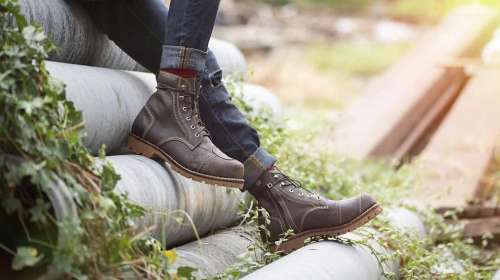
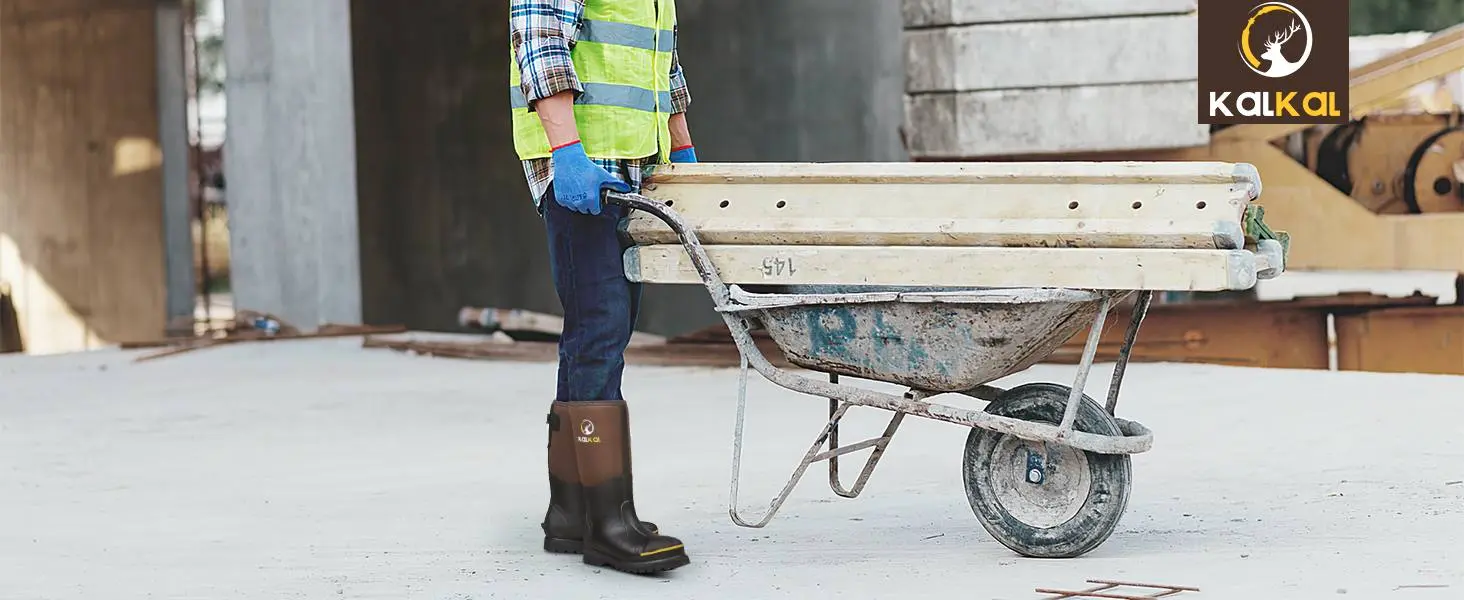
When you need a work boot that can handle more than a typical safety shoe, a composite toe rubber boot can be a good fit.
But the right pair depends on where you work; mud, wet ground, concrete floors, cold weather, or rough job sites all have different demands. In this guide, we’ll look at what to consider when choosing composite toe work boots and where Kalkal’s rubber work boots fit in.
What Are Composite Toe Caps on Boots?
Composite toe boots are safety footwear designed to protect the toes from injuries in hazardous work environments. Unlike traditional steel toe boots, which have toe caps made of steel, composite toe boots feature toe caps made from non-metal materials like plastic, carbon fiber, or Kevlar.
Because composite toe caps are lightweight, they are a popular choice for people who choose comfort over safety. They are frequently used in work boots, hiking boots, and other athletic footwear.
Benefits of Composite Toe Boots
Composite toe caps have several features that make them popular among users. Here are some reasons why they are essential for shoes and boots:
- Safety: The most obvious reason is safety. Composite toe caps are designed to meet safety standards, offering protection against a wide range of workplace hazards.
- Lightweight: Unlike steel toe caps, composite toe caps are significantly lighter, reducing fatigue and strain on your feet during long hours of wear.
- Electrical Hazard Protection: Many composite toe caps are non-conductive, providing protection against electrical hazards. This is especially important for those working with electrical equipment.
- Insulation: Composite toe caps provide higher insulation against temperature extremes. They help keep your feet warm in cold conditions and prevent excessive heat transfer in hot environments.
- Chemical Resistance: Composite materials are often resistant to chemicals, protecting the feet from harmful substances.
- Airport-friendly: If you frequently travel by air, composite toe caps are convenient as they are typically not detected by metal detectors, avoiding unnecessary delays during security checks.
Composite Toe vs. Steel Toe vs. Alloy Toe Boots
Composite boots provide strength without conductivity, ideal for electrical jobs, and they are lightweight for comfort.
Steel toe boots offer exceptional strength but conduct electricity, making them unsuitable for electrical hazards.
Alloy boots balance strength and weight, offering protection against impact and compression.
Choices depend on specific job hazards and requirements: steel for strength, composite for non-conductivity, alloy for a compromise.
Choose the Right Composite Toe Work Boot for Your Job
The best composite toe work boots depend on where and how you work. Different worksites require different demands on your boots. Before choosing a pair, consider the conditions you face most often and look for features that match the job.
Wet and Muddy Outdoor Work
If you spend your workday in mud, rain, or wet grass, waterproofing should be high on your list. Look for rubber work boots with a tall shaft that helps keep water and mud out.
A deep, well-designed outsole also matters because muddy ground can get slippery fast. Good traction helps you stay steady when walking across uneven fields, wet job sites, or slick ground.
Construction and Warehouse Work
For construction and warehouse jobs, comfort and slip resistance are just as important as toe protection. You may spend hours walking, standing, or moving materials, so look for boots that fit well and support your feet without feeling too stiff.
Make sure the outsole is suitable for the surfaces you work on, and always check that the composite toe meets the safety requirements of your job site.
Cold-Weather Work
For cold-weather work, look for boots with insulation or a warm lining. You should also leave enough room for warm socks without making the boots too loose.
A tight fit can restrict circulation, while an overly loose fit can cause your feet to slide around. If you work outdoors in winter, waterproofing is also important because wet feet can get cold quickly.
Long Hours on Hard Floors
If you stand or walk on concrete floors all day, cushioning and fit can make a big difference. Look for a supportive insole, enough room in the toe box, and a midsole that helps reduce the feel of hard surfaces under your feet.
Your heel should stay in place without rubbing, and your toes should not press against the composite toe cap. A comfortable fit is more important than choosing a boot just because it looks rugged.
Electrical Work
If you work around electrical hazards, do not assume that every composite toe boot provides electrical protection. Composite toe only refers to the toe cap material.
Check the product label and safety documentation to confirm whether the boots have the required EH rating for your job. If your workplace has specific safety standards, make sure the boots meet those requirements before wearing them on site.
Kalkal Composite Toe Rubber Work Boots
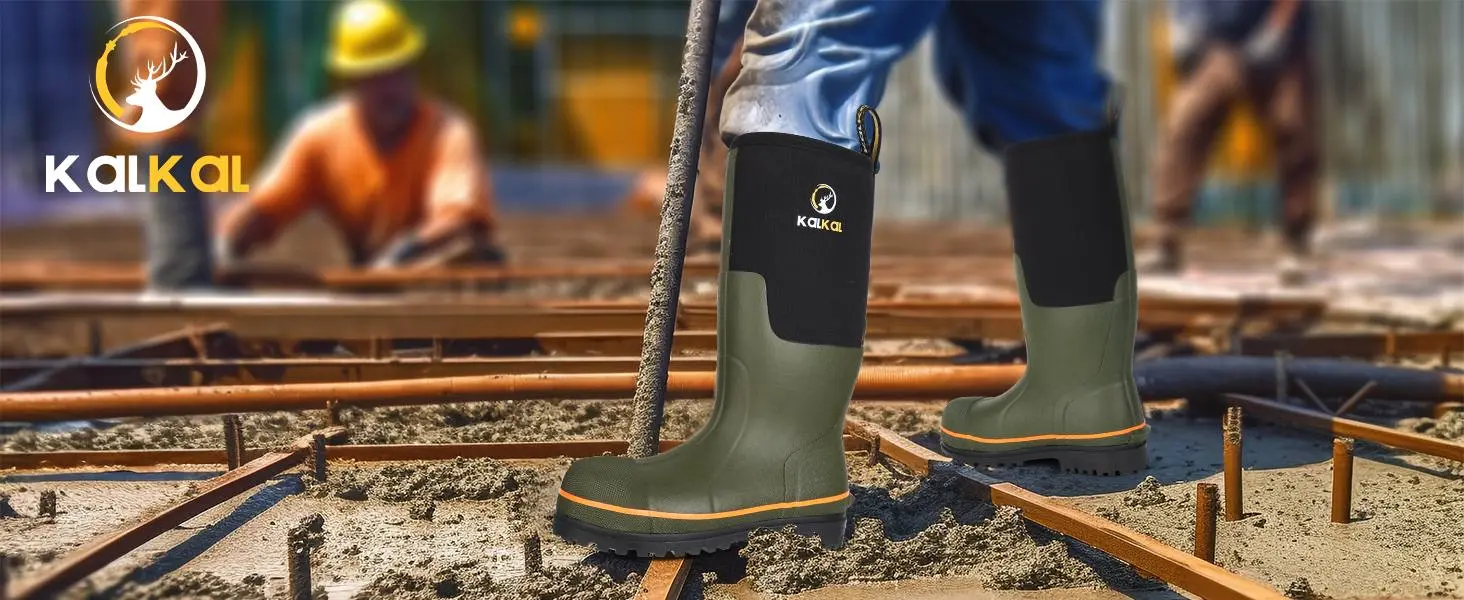
For wet, muddy work, a tall rubber boot can be a lot more practical than a typical work shoe. Kalkal composite toe work boots are built around that idea.
Most customers wear them several times a week for about seven hours at a time, climbing in and out of a truck and walking through muddy landfill areas. After a few months, the boots were still holding up without leaks.
Some working on a family cattle farm said the toe protection had already saved his toes from being stepped on, while the traction helped keep him from falling more than once.
The waterproof rubber and tall shaft are especially useful in places where a regular work shoe just isn’t enough.
Customers work in environmental construction, use them around streams, wetlands, shorelines, and riprap, and found them comfortable enough for walking on steep, uneven ground while still keeping their feet dry. Other owners use them for jobs like feeding animals, cleaning horse stalls, working around a barn, and general construction work.
The composite toe gives you protection without the heavier feel of a steel toe. The wider toe area leaves a little more room up front, while the Kevlar midsole and steel shank add protection underneath.
Comfort also comes up often in customer feedback. Some users mention being able to wear the boots for hours without discomfort, with the arch support and cushioned sole making hard or uneven ground easier on the feet.
These boots may feel a little snug at first, but they loosen up after wearing a few times. The included thinner insoles also give you another way to fine-tune the fit.
Overall, these are built more like a serious work boot than a basic pair of rubber mud boots. If your work takes you through wet ground, mud, rough terrain, or areas where toe and underfoot protection matter, the Kalkal boots are a practical choice.
FAQs About Composite Toe Boots
What are the benefits of boots with composite toe caps?
Composite toe boots offer lightweight protection, insulation, and electrical hazard resistance. They are comfortable for long wear and often airport-friendly.
Are composite toe boots as strong as steel toe?
Composite toe boots are excellent for many workplace situations, offering lightweight comfort and protection against common hazards. However, steel toe caps provide higher impact resistance, making them better suited for jobs with extreme dangers.
What is better: carbon toe or composite toe?
Carbon toe caps are a type of composite toe cap made from carbon fiber. They offer similar benefits as other composite toe caps, such as being lightweight and non-conductive. The choice between carbon toe caps and other composite toe caps depends on individual preferences and requirements.
Do composite toe protect your feet?
Yes, composite toe caps are designed to protect your toes from impact and compression injuries. They meet safety standards and provide adequate protection in most work environments.
Are composite toe boots more comfortable?
Yes, composite toe boots are generally more comfortable than steel toe ones due to their lightweight nature. They reduce fatigue and strain on your feet during extended periods of wear.
How long does it take to break in composite toe boots?
The break-in period for composite toe boots can vary depending on the brands and models. However, many people find that composite toe boots are comfortable right out of the box and require minimal break-in time compared to steel toe boots.
Is composite toe the same as a soft toe?
No, composite toe and soft toe are different. Soft toes for boots do not have a protective cap. They are typically chosen for jobs that do not have significant foot injury risks.
Summary
The best composite toe work boot depends on the work you actually do, and choosing the best composite toe boots involves considering safety, comfort, and durability.
For Kalkal, the combination of a composite toe, waterproof construction, puncture-resistant midsole, and deep tread makes these boots a practical option for demanding outdoor work.